Elevating 4K Video Production: The Nexus of Powerful GPU and Precise Color Management
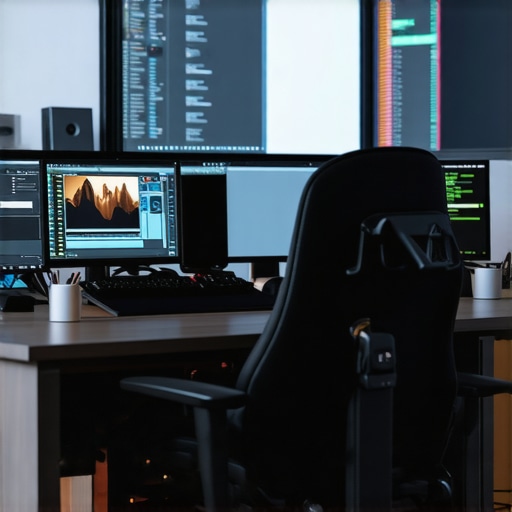
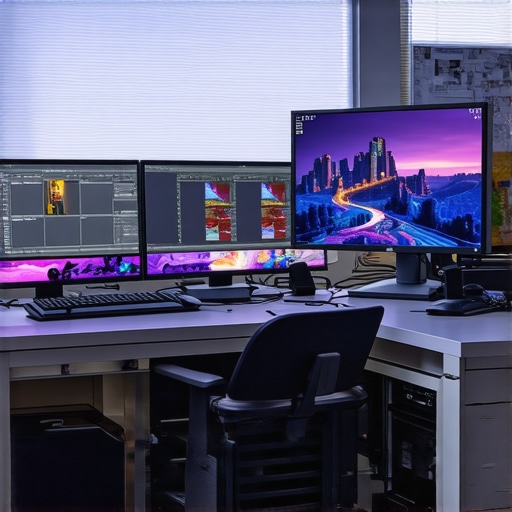
In the realm of high-fidelity video editing, especially at 4K resolution, the interplay between an advanced editing GPU and a calibrated color grading monitor becomes the cornerstone of professional excellence. To attain seamless workflow and superior color accuracy, editors must strategically align hardware capabilities with the demanding nature of 4K content creation.
Harnessing GPU Power for Efficient 4K Editing and Proxy Workflow Optimization
The choice of an editing GPU extends beyond simple rendering speeds; it influences real-time playback, effects processing, and proxy workflow fluidity. High-performance GPUs like the NVIDIA RTX 4090 or AMD Radeon RX 7900 XTX enable editors to handle 4K footage with minimal latency, facilitating a non-destructive color grading process and efficient proxy editing, which is vital for smooth performance on less capable workstations.
How does GPU architecture influence the stability of 4K proxy workflows amid complex editing scenarios?
Understanding the architectural nuances—such as CUDA cores versus stream processors—provides insight into how GPUs manage parallel processing tasks. This knowledge allows professionals to optimize rendering pipelines and mitigate bottlenecks, greatly enhancing productivity.
Color Grading Monitors as Critical Tools for Artistic Fidelity
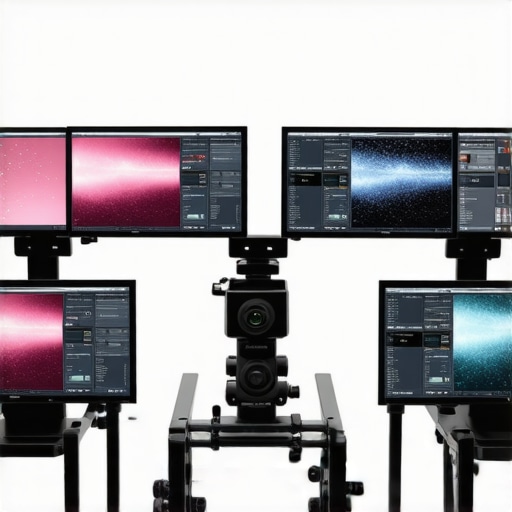
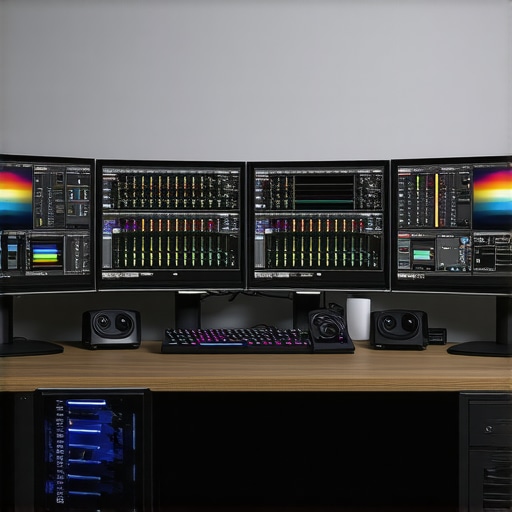
A monitor calibrated for color accuracy, resolution, and gamma response is paramount when performing meticulous color grading. Monitors like the Dolby Vision compatible models or those with 10-bit panels offer consistent, predictable visuals essential for nuanced grading decisions. For comprehensive guidance, consult the ultimate guide on color grading monitors.
Complexities of Proxy Workflow Integration for 4K Video Editing
Proxy workflows revolutionize 4K editing by downscaling high-resolution footage into manageable files, significantly reducing system strain. Synchronizing this with a powerful GPU and a high-fidelity monitor ensures that visual quality is preserved and editing decisions remain precise. For advanced insights, explore our dedicated article on streamlining workflows through proxy editing.
Achieving Color Precision Without Compromising Workflow Efficiency
The challenge lies in balancing color accuracy with processing speed. Hardware-accelerated color grading with GPU support paired with validated monitors ensures that adjustments translate accurately across the final delivery platform. This synergy minimizes the need for revisions and guarantees project fidelity from initial grade to distribution.
To explore why 16:9 remains the industry-standard aspect ratio for high-end video, and how to adapt your workspace accordingly, see our comprehensive piece on 4K editing hardware and software optimization tips.
Push Performance Limits with Cutting-Edge Editing Workstations
To truly excel in 4K video editing, professionals must invest in meticulously assembled workstations that balance GPU power, CPU capabilities, and storage speed. The synergy of these components underpins the ability to handle complex timelines, multiple effects, and high-bidelity proxies simultaneously. As highlighted in our top PC builds for 2025, selecting the right hardware configuration ensures a seamless creative process even under demanding workloads.
Optimizing GPU Architecture for Real-Time Processing and Stability
An often-overlooked aspect is how GPU architecture influences not only performance but also stability during intensive editing sessions. Modern GPUs with adaptive architectures, such as NVIDIA’s Ampere and Ada Lovelace series, optimize parallel processing for real-time effects and color transformations. This is crucial when managing layered composites or complex color grading, as detailed in our latest GPU performance guide. Choosing hardware that aligns with your project requirements minimizes crashes and latency spikes, ensuring a dependable workflow.
Could integrating AI-accelerated GPU features radically transform 4K editing efficiency?
Emerging AI-driven features like intelligent noise reduction, auto-color matching, and automated scene detection are increasingly powered by dedicated AI cores within high-end GPUs. These tools can drastically cut down editing time and improve consistency. As industry leaders explore these innovations, early adoption could establish a new standard for efficiency and quality in 4K workflows. For insights on leveraging AI in editing hardware, visit our comprehensive guide to 4K editing hardware.
Color Grading Precision: Beyond Monitor Calibration
While calibrated monitors are fundamental, integrating hardware color correction panels and utilizing LUTs (Lookup Tables) can enhance accuracy further. Advanced tools like the DaVinci Resolve panels enable granular control, ensuring that the color transformations applied in your grading session translate flawlessly across delivery formats. For a detailed exploration, check out our article on color grading monitor and GPU setup.
If you’re aiming to elevate your 4K editing setup, consider consulting our professional support services for tailored hardware recommendations and workflow tuning. Sharing your experiences or questions can foster a community where expertise thrives—don’t hesitate to comment or suggest topics for future deep-dives.
Amplify Your Workflow with Adaptive GPU Optimization for 4K Projects
Modern 4K video editing demands more than raw GPU power; it requires adaptive optimization that aligns with specific project scopes. Techniques like GPU partitioning, dynamic memory allocation, and real-time shader adjustments enable editors to tailor hardware utilization, minimizing bottlenecks during complex effects processing. Leveraging tools such as NVIDIA’s CUDA Toolkit or AMD’s ROCm allows for granular control over resource distribution, ensuring that high-resolution timelines remain fluid even when layered with multiple effects and corrections.
How does tailored GPU resource management influence editing efficiency in multi-layered 4K compositions?
Implementing custom shader pipelines and resource scheduling not only improves real-time playback but also reduces rendering times, especially in compositions with heavy effects or color corrections. Industry insights from GPU manufacturers, like NVIDIA’s developer guides on optimizing CUDA workloads, underscore this approach’s importance for professional workflows (see NVIDIA Developer, 2024). Adapting these strategies to your editing environment unlocks sustained performance and creative freedom.
Integrating Third-Party Color Management Solutions for Ultimate Accuracy
While hardware calibration forms the foundation of color fidelity, supplementing this with sophisticated color management software offers layered precision. Solutions like LightSpace CMS or CalMAN Studio enable calibration workflows that account for monitor aging and ambient lighting conditions, ensuring consistency across different viewing environments. Incorporating LUT management and advanced profiling techniques within these tools guarantees that your artistic intent translates uniformly from grading suite to final deliverable.
According to authoritative standards published by the International Color Consortium (ICC), maintaining compliant color workflows is crucial for professional-grade output. Exploring their specifications further reveals emerging trends, such as perceptual rendering intent and colorimetric accuracy, essential for high-end cinematic and broadcast projects.
Unlock Advanced Proxy Workflow Techniques with AI-Aided Automation
Progressing beyond basic proxy creation, AI-powered automation offers unprecedented efficiency. Machine learning algorithms can automatically analyze footage to generate optimized proxies, apply intelligent scene-based edits, and suggest suitable downscaling parameters based on content complexity. Tools like Adobe’s Sensei or Blackmagic’s DaVinci Neural Engine exemplify this advancement, enabling editors to handle extensive 4K libraries with minimal manual intervention.
This integration of AI not only streamlines the editing process but also preserves original assets’ fidelity through intelligent metadata management and version control. As these technologies mature, it becomes imperative to stay abreast of their evolving capabilities, ensuring your workflow remains competitive and future-proof.
Exploring the Nexus of Hardware-Accelerated Color Correction and Real-Time Feedback
The future of high-fidelity 4K video editing hinges upon hardware acceleration extending deep into color correction. GPUs equipped with dedicated RT cores or AI-accelerated processing units facilitate real-time application of complex 3D LUTs and advanced grading nodes, dramatically reducing turnaround times. Integrating high-performance color panels with these GPU capabilities creates a feedback loop where adjustments are instantaneously reflected, fostering a more iterative, creative process.
Industry leaders like Blackmagic Design with their DaVinci Resolve Studio harness this synergy, emphasizing the transformative impact of combining dedicated hardware and software innovations. As a viewer or creator, understanding this nexus is critical for selecting tools that drive productivity without sacrificing artistic control.
Join the Next Wave of 4K Editing Innovation—Your Next Step
Staying ahead in 4K video editing means continuously evaluating emerging hardware breakthroughs, software solutions, and workflow methodologies. Consider participating in specialized webinars, training sessions, or forums where industry experts discuss cutting-edge techniques and share real-world implementations. Engaging with communities like CreativeCow or Lift Gamma Gain can provide valuable insights into integrating these advanced strategies into your projects.
Are you prepared to redefine your editing paradigm? Dive deeper into the intricacies of high-end 4K workflows, and transform your production capabilities today. For personalized advice tailored to your specific setup, don’t hesitate to contact our team of experts—I’d be glad to help you elevate your craft and stay at the forefront of video technology.
Revolutionize Your Editing: Embrace Hardware-Driven Color Fidelity
As 4K footage becomes the industry standard, the necessity for hardware solutions that empower precise color management grows exponentially. Incorporating advanced GPU-accelerated color grading modules and specialized LUT processors enables editors to perform complex color corrections in real time, ensuring that artistic intent remains uncompromised throughout the editing process. Recognizing the pivotal role of hardware-accelerated color workflows can dramatically elevate your final output quality.
Can Dedicated Hardware Panels Transform Your Color Grading Precision?
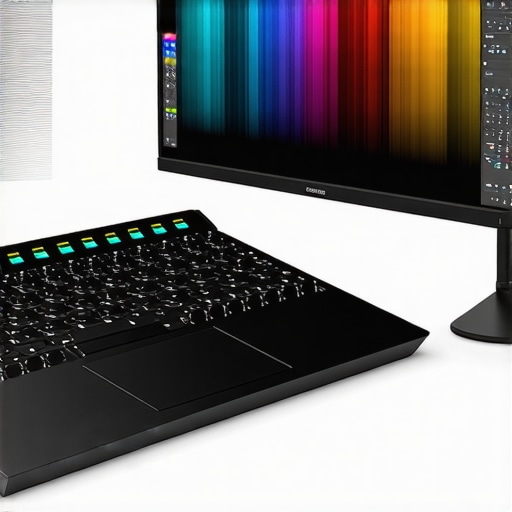
Absolutely. Hardware control surfaces equipped with high-resolution dials, sliders, and programmable buttons—such as the DaVinci Resolve panels—offer tactile precision unmatched by software alone. When combined with GPU-accelerated rendering, these tools facilitate intricate adjustments, enabling granular control over luminance, hue, and saturation. Implementing such dedicated hardware ensures your color grading process becomes both more intuitive and exact, ultimately resulting in cinematic-quality visuals.
Harnessing AI for Proxy Optimization—Beyond Basic Downscaling
Artificial intelligence now redefines proxy workflows by intelligently analyzing scene complexity, motion vectors, and content dynamics to produce proxies that preserve essential details while minimizing file size. Algorithms employed by emerging tools can automatically determine optimal downscaling resolutions and bit-depths, thus maintaining visual fidelity crucial for precise editing decisions. Leveraging AI-driven proxy management expedites your workflow while safeguarding quality.
How Do AI-Enhanced Proxy Files Influence Editing Fluidity?
AI-enhanced proxies facilitate smoother playback and faster rendering, especially in multi-layered compositions with color grading and effects. By dynamically adjusting proxy quality based on scene importance, editors can prioritize clarity where it counts most, reducing CPU and GPU strain. This intelligent management minimizes lag and allows more complex timelines to operate seamlessly, empowering creative experimentation without workflow interruptions.
Pushing Hardware Limits to Achieve Realistic Color Environments
Creating immersive virtual sets or live-preview color environments demands hardware capable of rendering high-fidelity, real-time visuals. Next-generation GPUs with enhanced ray-tracing cores and advanced shader architectures simulate complex lighting interactions, shadowing, and material properties with remarkable accuracy. Integrating these with VR-ready workstations enables colorists and VFX artists to visualize final outputs in true-to-life settings, fostering more informed creative decisions.
What Are the Key Components for Building a Future-Ready 4K Editing Scene?
A balanced configuration featuring the latest multi-core CPUs, high-capacity NVMe storage, and high-bandwidth RAM complements cutting-edge GPUs capable of accelerating both editing and rendering operations. Ensuring compatibility with emerging standards like PCIe 5.0 guarantees scalability for upcoming hardware advancements. Investing in power-efficient, high-performance components not only enhances current workflows but also future-proofs your studio against rapid technological progress.
Beyond Hardware: Integrating Advanced Software Ecosystems for Workflow Synchronization
Implementing integrated software solutions—such as cloud-based media asset management, AI-assisted editing platforms, and centralized color grading modules—facilitates seamless collaboration across teams. Ensuring these ecosystems are optimized to leverage hardware acceleration creates a cohesive environment where project data flows effortlessly, saving time and reducing repetitive tasks. Deep integration with hardware accelerators allows for real-time synchronization of edits, previews, and color adjustments.
Is Your System Truly Optimized for a High-Performance 4K Environment?
Conducting comprehensive audits using industry-standard benchmarking tools can reveal bottlenecks or underutilized components. Fine-tuning driver settings, enabling hardware encoding/decoding features, and updating firmware are crucial steps toward maximizing throughput. Regularly reassessing your setup against the latest industry benchmarks ensures sustained performance and keeps you on the cutting edge of 4K production capabilities.
Stay Ahead: Join the Revolution in 4K Video Editing Innovation
If you aspire to elevate your post-production prowess, immerse yourself in specialized forums, attend industry expos, and participate in advanced workshops that explore emerging hardware and software breakthroughs. Networking with peers and industry veterans offers insights into optimizing complex workflows and adopting avant-garde solutions. Embrace continuous learning—your next project will thank you for it.
Ready to redefine your editing environment? Engage with our expert team to receive tailored recommendations that align with your creative vision and technical needs. Elevate your craft today and be at the forefront of 4K video production technology.
,
Revolutionary Perspectives from the Frontline of 4K Editing
Leverage Hardware Synergy for Unmatched Fidelity
Integrating high-caliber GPUs with calibrated color workflows transforms your editing environment into a precision instrument. The harmony of your hardware components directly influences the fidelity and efficiency of your 4K projects, demanding strategic alignment beyond mere specifications.
Harness AI to Anticipate Workflow Bottlenecks
Emerging AI solutions automate proxy generation and scene analysis, enabling seamless handling of complex timelines. This proactive approach minimizes latency issues and fosters a fluid post-production process, propelling professional standards forward.
Optimize Fresh Technologies for Creative Edge
Adopting adaptive GPU architectures, such as NVIDIA’s Ampere or Ada Lovelace, offers real-time benefits in effects rendering and color processing. Staying updated with hardware innovations ensures your setup remains at the forefront of technological evolution.
Push Your Limits with Dedicated Workflow Components
From hardware color panels to custom shader pipelines, specialized tools empower granular control and accelerate decision-making. Such investments yield significant gains in final quality and turnaround times, especially at 4K resolutions.
Expert Resources That Elevate Your Mastery
- Color Grading Mastery with LightSpace CMS – Offers advanced calibration workflows and consistency across devices, essential for professional grading projects.
- NVIDIA Developer Guides – Provide in-depth insights into optimizing CUDA cores and GPU architectures for media processing.
- DaVinci Resolve’s Hardware Integration Documentation – Details how to utilize dedicated panels and accelerators for superior color correction workflows.
- International Color Consortium Standards – Define the benchmarks for color fidelity and management, ensuring compliance and quality.
- AI Integration in Editing Suites – Guides on automating proxy workflows and enhancing scene detection through machine learning.
The Synthesis: Elevating Your 4K Editing with Strategic Intelligence
Deep expertise in 4K video production combines hardware mastery, innovative software applications, and a relentless pursuit of quality. Recognizing the importance of aligned GPU architectures, AI-driven automation, and dedicated color management tools positions professionals prominently ahead of the curve. To truly excel, engage with industry insights, participate in specialized training, and continuously refine your workflow architecture. For tailored advice and cutting-edge recommendations, reach out through our contact form. Elevate your craft today—precision, performance, and perfection await.