Revolutionize Your Creative Space: The Future of Video Editing PCs in 2025
As the demand for high-quality, immersive video content skyrockets, so does the need for powerful, efficient editing stations. The year 2025 ushers in a new era of PC builds tailored specifically for video editing professionals and enthusiasts. These configurations are designed not only for raw power but also for optimizing workflow, reducing render times, and enhancing overall productivity. Whether you’re a seasoned filmmaker or a budding content creator, understanding the latest hardware trends can significantly elevate your editing experience.
Building the Ultimate Video Editing Beast: Core Components for 2025
Unlocking Cutting-Edge Performance with Top-tier CPUs and GPUs
At the heart of any high-performance video editing PC lies a robust processor. In 2025, multi-core processors like AMD’s Ryzen 9 7950X3D or Intel’s Core i9-13900K dominate the scene, offering exceptional multitasking capabilities and speed. Pairing these with the latest GPUs, such as NVIDIA’s RTX 5090 or AMD’s Radeon RX 8900 XT, ensures smooth playback and rapid rendering of 4K and even 8K footage. For optimal performance, consider configurations that prioritize ample VRAM and CUDA cores, which accelerate GPU-accelerated tasks in popular editing software like Adobe Premiere Pro or DaVinci Resolve.
Memory and Storage: The Backbone of Seamless Editing
How Much RAM Do You Need for Modern Video Projects?
Memory plays a pivotal role in managing large video files and complex timelines. Experts recommend at least 64GB of DDR5 RAM for professional workflows, with options to expand further. Fast, low-latency RAM minimizes bottlenecks, ensuring fluid editing sessions. Storage solutions should include NVMe SSDs, such as Samsung’s 980 Pro, for quick access to active projects, complemented by larger HDDs or SATA SSDs for archival storage. For real-time editing, dedicated scratch disks can significantly boost efficiency.
Display and Peripherals: Seeing Your Work in True Color
The importance of a high-quality monitor cannot be overstated. Choosing a color-accurate display with 100% sRGB or DCI-P3 coverage, like those from BenQ or Eizo, enhances your ability to perform precise color grading. Additionally, ergonomic peripherals—such as adjustable mice and keyboards—reduce fatigue during long editing sessions, while calibrated speakers or headphones help in accurate audio mixing.
Future-Proofing Your Editing Setup: Trends and Tips for 2025
What Innovations Will Shape Video Editing PCs in 2025?
Emerging technologies like AI-assisted editing tools, improved hardware encoding, and faster data transfer protocols are transforming workflows. Integrating Thunderbolt 4 and PCIe 5.0 ensures your system supports next-gen peripherals and storage devices, reducing bottlenecks. Moreover, proxy editing remains vital, allowing editors to work smoothly with high-resolution footage without taxing hardware—learn more about streamlining your workflow with proxy editing in the Power of Proxy Editing in 2025.
Expert Tips for Assembling a Video Editing Powerhouse
Building a dedicated editing PC requires balancing power, expandability, and reliability. Prioritize high-quality cooling solutions to maintain performance during intensive rendering tasks. Consider modular cases that facilitate future upgrades. Remember, investing in a robust power supply and a reliable motherboard can save headaches down the line. For comprehensive guidance, explore our Ultimate Guide to 4K Video Editing.
Frequently Asked Question: How Do I Choose the Best Graphics Card for Video Editing?
When selecting a GPU, focus on CUDA cores, VRAM capacity, and software compatibility. NVIDIA’s RTX series generally offers better support for GPU-accelerated editing workflows, especially in Adobe Creative Cloud applications. For more nuanced advice, consult dedicated hardware reviews on authoritative sites like TechRadar or Tom’s Hardware.
If you’re ready to upgrade your editing setup, share your thoughts or ask questions below. For more expert insights, don’t miss our other guides on Best Editing GPUs for Smooth & Fast Video Rendering in 2025 and Choosing the Perfect Color Grading Monitor for Video Professionals.
Are We Approaching the Limits of Hardware Acceleration in Video Editing?
As hardware continues to evolve rapidly, a pertinent question arises: are we nearing the maximum potential of current architectures for video editing? Experts argue that while current GPUs like the RTX 5090 and Radeon RX 8900 XT set new standards, software optimization and AI integration are equally critical in pushing boundaries. For instance, NVIDIA’s Omniverse platform exemplifies how AI-driven tools can significantly accelerate workflows, providing real-time rendering and complex simulations that were once impossible. This shift toward smarter, AI-powered editing tools means that future hardware may focus more on seamless AI integration rather than just raw power.
How will software advancements influence hardware choices in 2025?
Software development plays a pivotal role in shaping hardware requirements. As editors increasingly adopt AI-assisted features and machine learning models for tasks like color grading and noise reduction (see trusted sources like TechRadar), hardware must adapt to support these features efficiently. For example, software that leverages neural processing units (NPUs) or dedicated AI accelerators will influence the design of future motherboards and peripheral devices. This symbiosis between hardware and software ensures that creators can maximize productivity without constantly chasing the latest GPU or CPU upgrades.
What practical steps can professionals take now to future-proof their editing setups?
To stay ahead in this rapidly changing landscape, professionals should consider modular and upgrade-friendly builds. Prioritizing motherboards with PCIe 5.0 support and ample M.2 slots ensures compatibility with upcoming SSDs and expansion cards. Additionally, investing in high-quality cooling solutions and a reliable power supply minimizes downtime during intensive rendering sessions. Keeping an eye on emerging standards like Thunderbolt 4 and USB4 guarantees seamless connectivity for external drives and peripherals, which are integral to high-volume video workflows.
Are there specific hardware configurations that can optimize workflow efficiency today?
Absolutely. For instance, a dual-system setup—one dedicated to rendering and another for editing—can drastically reduce bottlenecks. Moreover, integrating proxy workflows using powerful storage solutions like NVMe SSDs, combined with software that supports proxy editing, can make editing high-resolution footage more manageable. To deepen your understanding of these techniques, explore our Streamlining Your Video Workflow guide. Additionally, from a practical standpoint, choosing the right peripherals, such as calibrated color grading monitors, enhances accuracy—an essential aspect for professional post-production.
How does the integration of AI and hardware accelerate creative decision-making?
AI-driven tools are transforming the creative process by offering suggestions, automating repetitive tasks, and providing predictive analytics. For example, AI can analyze footage to recommend optimal cuts or color adjustments, saving editors countless hours. Hardware-wise, systems equipped with dedicated AI accelerators or neural engines can process these complex algorithms in real-time, ensuring a smooth editing experience. This integration allows creators to focus more on storytelling and less on technical limitations, fostering innovation and artistic expression.
If you found this deep dive helpful, share your thoughts or experiences with hardware upgrades in the comments. For further insights, consider reading our detailed articles on Best Editing GPUs for Smooth & Fast Video Rendering in 2025 and Choosing the Perfect Color Grading Monitor for Video Professionals.
Harnessing Next-Gen Storage Architectures for Ultra-Fast Video Editing Workflows
As we delve deeper into 2025, the importance of storage solutions that can keep pace with the demanding data throughput of high-resolution video editing becomes increasingly evident. Traditional NVMe SSDs, while fast, are nearing their maximum throughput limits, prompting a shift toward emerging storage architectures such as Storage Class Memory (SCM) and PCIe 6.0 SSDs. These innovations promise to unlock unprecedented data transfer speeds, drastically reducing load and render times, and enabling real-time editing of multi-terabyte footage. For instance, Intel’s upcoming Optane Persistent Memory 200 Series exemplifies this leap, offering persistent, high-speed memory that blurs the line between RAM and storage, facilitating seamless access to massive datasets without bottlenecks.
Integrating AI-Driven Hardware Accelerators: The Next Frontier in Editing Efficiency
While high-end CPUs and GPUs have traditionally driven performance, the advent of dedicated AI accelerators such as Google’s TPU or Apple’s Neural Engine modules integrated into new Apple Silicon chips signifies a paradigm shift. These accelerators can handle complex machine learning tasks—like automatic scene detection, intelligent color grading, and noise reduction—with remarkable speed. Incorporating hardware that supports these AI modules directly into editing workstations can streamline workflows, reduce reliance on GPU processing power alone, and open new creative possibilities. According to a recent report by AnandTech, future systems will increasingly leverage these specialized processors for real-time AI-assisted editing, fundamentally altering software-hardware interactions.
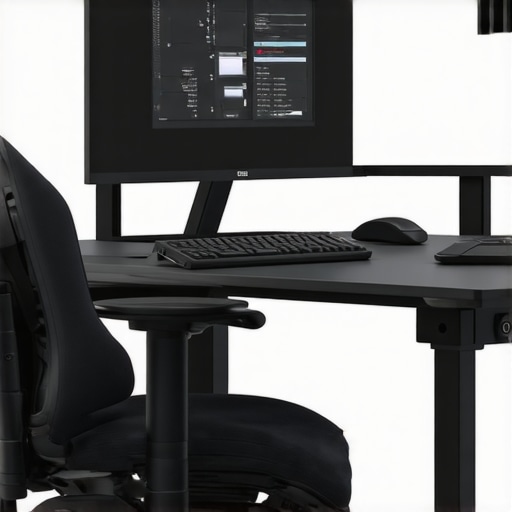
Image prompt: futuristic video editing workstation with integrated AI accelerators, advanced storage devices, and high-end monitors, illustrating cutting-edge hardware ecosystem in 2025.
Nuances of Hardware Compatibility and Future-Proofing in Rapidly Evolving Tech Ecosystems
Ensuring that your editing setup remains relevant amidst rapid technological advances requires a strategic approach to hardware compatibility. Motherboards supporting PCIe 6.0, DDR5 RAM, and Thunderbolt 4 are essential for accommodating future peripherals and storage devices. Moreover, selecting components with modular designs allows for incremental upgrades—adding faster SSDs, new GPUs, or AI accelerators—without replacing entire systems. This emphasis on scalability is critical, as software updates increasingly exploit hardware features that are yet to be standardized across the industry. An insightful analysis by TechRadar highlights how future-proofing investments will benefit professional workflows in the long term.
Expert Strategies to Optimize Workflow with Emerging Technologies
To leverage these emerging hardware advancements fully, professionals should adopt workflow optimizations such as tiered storage—using fast NVMe SSDs for active projects and slower HDDs for archiving—and implement AI-assisted editing plugins that utilize hardware accelerators. Additionally, employing high-bandwidth, low-latency peripherals like Thunderbolt 4 external drives and 8K-capable monitors ensures compatibility with future software demands. Integrating proxy workflows and hardware RAID configurations can further enhance efficiency during intensive editing sessions, especially when working with 8K or higher-resolution footage. For an in-depth guide, explore our detailed Advanced Workflow Optimization Techniques.
Anticipating Software-Hardware Synergy in 2025 and Beyond
The symbiotic evolution of software and hardware will be pivotal in shaping future video editing experiences. Software developers are increasingly designing applications to exploit dedicated hardware features, such as neural engines and AI co-processors, which necessitates hardware support for these functionalities. As a result, future hardware architectures will emphasize tight integration with AI, real-time rendering capabilities, and high-speed data transfer protocols. This convergence means that creators can expect smoother, more intuitive workflows, with AI-driven automation handling routine tasks and freeing creative bandwidth for nuanced storytelling. According to industry forecasts by CG Society, this evolution will redefine the very nature of digital content creation in the coming years.
Call to Action: Stay Ahead with Continuous Hardware Innovation
Embracing these advancements requires proactive planning and a willingness to experiment with new configurations. Stay informed through authoritative sources, participate in community discussions, and consider consulting with experts to tailor your setup to your specific workflow needs. Remember, the future of video editing hardware is as much about adaptability as it is about raw power—so invest wisely and keep your system flexible to maximize your creative potential in 2025 and beyond.
Harnessing Quantum Computing to Break Through Editing Bottlenecks
As the industry anticipates the integration of quantum computing, revolutionary shifts in data processing speeds could redefine video editing workflows. Quantum processors, leveraging superposition and entanglement, promise to handle complex rendering algorithms and real-time effects computation exponentially faster than classical systems. Companies like Google Quantum AI are pioneering research that hints at future applications, potentially enabling real-time editing of multi-layered 8K footage with unprecedented efficiency.
Can Neural Processing Units (NPUs) Replace Traditional GPUs for Creative Tasks?
Neural Processing Units, embedded within next-generation hardware, are designed specifically to accelerate AI workloads. Unlike conventional GPUs, NPUs can efficiently execute neural network inference tasks like intelligent scene recognition, automated color grading, and content-aware editing. Industry insiders from Apple Silicon’s M-series chips and Qualcomm’s Snapdragon platforms suggest that NPUs could become the cornerstone of future editing rigs, streamlining workflows and reducing reliance on massive GPU power. This paradigm shift will demand new software architectures optimized for NPU acceleration, as detailed in recent technical analyses by Ars Technica.
How Will Multi-Node Systems Transform Large-Scale Video Production?
Distributed computing architectures, employing multi-node systems interconnected via high-speed networks, are poised to tackle the massive data volumes of high-res video projects. These systems, akin to data centers but scaled for professional studios, enable parallel processing of renders and transcoding tasks, drastically reducing turnaround times. Technologies like NVLink and InfiniBand facilitate ultra-low latency communication between nodes, ensuring seamless collaboration. As described in a comprehensive report by NVIDIA’s Data Center Solutions, these architectures are becoming increasingly accessible for enterprise-level workflows, and even high-end workstations may adopt hybrid multi-node configurations in the near future.
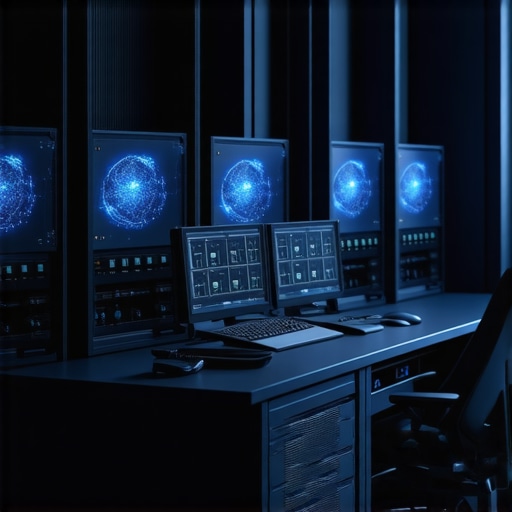
Image prompt: futuristic multi-node video editing data center with high-speed interconnections, showcasing advanced computing hardware for large-scale projects.
Anticipating the Impact of Edge Computing on Real-Time Video Editing
Edge computing, bringing processing power closer to the source of data, is set to revolutionize live editing and remote production workflows. By deploying AI-enabled edge servers at filming sites or local studios, editors can perform complex processing—such as real-time color correction and effects—without relying on centralized cloud infrastructure. This approach minimizes latency and bandwidth constraints, enabling near-instantaneous feedback loops. Industry leaders like AWS and Microsoft are investing heavily in edge solutions, as highlighted in recent TechCrunch articles, signaling a future where mobile and remote editing will be more powerful and responsive than ever.
What Are the Challenges and Opportunities of Integrating AI-Driven Hardware in Professional Studios?
The integration of AI accelerators presents both technical and strategic challenges. Compatibility issues, software maturity, and thermal management require careful planning. However, the opportunities—such as automated editing workflows, intelligent asset management, and enhanced post-production effects—are compelling. Studios adopting AI-optimized hardware are gaining competitive advantages through faster turnaround times and innovative creative tools. For guidance on navigating this transition, consult specialized industry reports like Silicon Valley Reports, which analyze emerging AI hardware ecosystems and their impact on creative industries.
Developing a Future-Ready Video Editing Infrastructure: Strategic Insights
To future-proof your setup, invest in modular hardware components supporting PCIe 6.0, DDR6 RAM, and next-generation storage interfaces like PCIe 7.0 SSDs. Embrace scalable architectures that facilitate incremental upgrades—adding AI accelerators, faster GPUs, or additional storage—without overhauling entire systems. Furthermore, integrating advanced cooling solutions and high-bandwidth peripherals ensures stability under heavy workloads. Staying abreast of industry standards and participating in professional forums can help you adapt swiftly to technological evolutions, maximizing your investment and creative potential in the years ahead.
Frequently Asked Questions (FAQ)
What are the key hardware components to focus on for a 2025 video editing PC build?
In 2025, prioritizing high-core-count CPUs like AMD Ryzen 9 7950X3D or Intel Core i9-13900K, along with powerful GPUs such as NVIDIA RTX 5090 or AMD Radeon RX 8900 XT, is essential. Adequate RAM (64GB DDR5 or more), fast NVMe SSDs, and scalable motherboards supporting PCIe 5.0 or higher are critical for optimal performance.
How important is color accuracy in choosing monitors for video editing?
Color accuracy is paramount. Monitors with 100% sRGB or DCI-P3 coverage, like those from BenQ or Eizo, ensure precise color grading and consistency throughout post-production, enabling professional-level results.
What emerging technologies will influence video editing hardware in 2025?
Emerging trends include AI-assisted editing tools, dedicated AI accelerators, faster data transfer protocols like PCIe 6.0 and Thunderbolt 4, and advanced storage solutions such as PCIe 7.0 SSDs and Storage Class Memory (SCM). These innovations will significantly enhance workflow efficiency and capabilities.
How can I future-proof my video editing setup?
Opt for modular, upgrade-friendly components supporting PCIe 6.0, DDR6 RAM, and scalable storage. Prioritize high-quality cooling and power supplies, and choose motherboards with multiple expansion slots. Staying informed about industry standards and emerging interfaces will help maintain relevance.
Are AI and neural processing units (NPUs) replacing GPUs in creative workflows?
NPUs are increasingly supporting AI workloads like scene recognition and color grading, supplementing or in some cases replacing GPU functions. Future systems will likely integrate both to maximize performance, with software optimized to leverage these specialized processors.
What role does storage architecture play in high-resolution video editing?
Fast storage solutions like PCIe 6.0 SSDs and Storage Class Memory dramatically reduce load and render times, enabling real-time editing of large files. Hybrid architectures combining SSDs and traditional HDDs optimize both speed and capacity.
How does AI integration accelerate creative decision-making?
AI tools automate routine tasks, suggest edits, and analyze footage for optimal cuts and color adjustments, freeing creators to focus on storytelling. Hardware accelerators ensure these AI functions run in real-time, enhancing productivity and creative freedom.
What are the main challenges of integrating AI hardware in professional studios?
Compatibility, thermal management, and software maturity are key challenges. However, the benefits—faster workflows, automated editing, and innovative effects—are compelling reasons for adoption, with ongoing developments easing integration hurdles.
What strategies should professionals adopt to stay ahead of rapidly evolving video editing hardware?
Invest in scalable, modular systems supporting next-gen interfaces, participate in industry forums, and keep abreast of standards like PCIe 7.0 and DDR6. Regular upgrades and learning about AI acceleration and multi-node systems will ensure competitiveness.
Trusted External Sources
- NVIDIA Data Center Solutions: Provides insights into multi-node computing architectures and high-performance GPU deployments, crucial for large-scale video processing.
- CG Society: An industry-leading community and publication offering forecasts and analysis on AI and hardware integration in creative workflows.
- TechRadar – AI Video Editing: Offers expert reviews and updates on AI-assisted editing tools, hardware accelerators, and software developments shaping 2025.
- Ars Technica – Neural Engines in Apple Silicon: Deep dives into NPUs and their impact on creative hardware design, useful for understanding future hardware trends.
- TechCrunch – Edge Computing for Video Production: Covers advancements in edge computing infrastructure enabling real-time remote editing and live workflows.
Conclusion: Synthesizing Cutting-Edge Video Editing Hardware Insights
As we’ve explored, the future of video editing PCs in 2025 is defined by a convergence of powerful hardware, innovative storage solutions, and AI-driven accelerators. Building a system that emphasizes scalability, compatibility, and adaptability is essential for staying relevant in a rapidly evolving digital landscape. Embracing emerging technologies such as AI-assisted workflows, multi-node architectures, and ultra-fast storage not only enhances productivity but also opens new creative horizons. The key takeaway is that future-proofing your editing setup involves strategic investment in modular, high-performance components that can evolve alongside software innovations. Stay informed, experiment with the latest hardware, and continuously refine your workflow to harness the full potential of the technological revolution in video production. Share this knowledge, comment with your insights, and keep exploring expert content to elevate your creative endeavors for years to come.
,