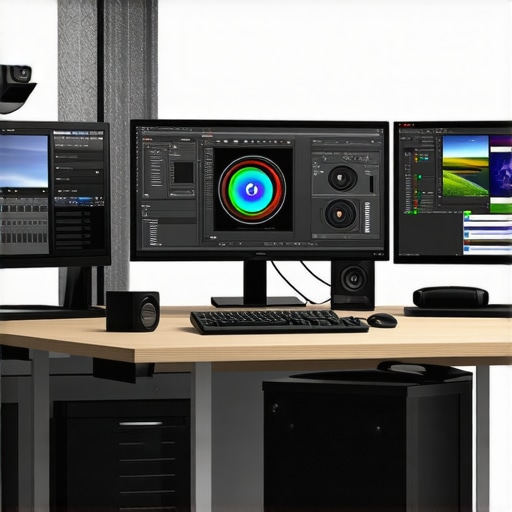
Pushing the Boundaries of 4K Video Editing in the Modern Studio
In the rapidly evolving realm of digital content creation, 4K video editing demands not just skill but the right combination of hardware and workflow optimization. As professionals strive for seamless editing experiences, understanding the interplay between powerful PCs, tailored GPUs, and precise color grading monitors becomes essential. This article explores high-level strategies for constructing an optimized environment capable of handling complex proxy workflows with efficiency and precision.
The Significance of a Robust Editing PC for High-Resolution Workflows
A professionally assembled 4K video editing PC must prioritize CPU and GPU performance, memory capacity, and storage speed. These elements collectively mitigate bottlenecks during proxy creation, playback, and rendering processes, ensuring a smooth post-production pipeline. An advanced configuration often includes multi-core processors like AMD Ryzen Threadripper or Intel Xeon, paired with high-end GPUs optimized for video workloads (see top GPU choices for 2025).
Choosing the Right GPU for Proxy and 4K Color Grading Tasks
The selection of an editing GPU directly influences real-time playback and rendering speeds, especially when working with proxy files and high-bixel-resolution content. Modern GPUs from NVIDIA’s RTX series or AMD’s Radeon Pro line provide dedicated hardware acceleration for encoding and decoding tasks. Their architecture facilitates rapid proxy workflow adoption, allowing editors to toggle between proxy and full-resolution clips without latency issues.
Color Grading Monitors: Visual Fidelity for Expert Creatives
In-depth color accuracy and consistent display calibration are non-negotiable when performing nuanced color grading on professional monitors. A monitor with wide color gamut coverage, high bit-depth, and hardware calibration support ensures that color decisions remain precise at every stage. When paired with a high-performance GPU, the visual environment becomes a reliable canvas for graded footage, essential for client presentations and broadcast standards.
Complex Queries Commonly Encountered by Experts
How can I optimize proxy workflow efficiency without sacrificing color accuracy during 4K editing?
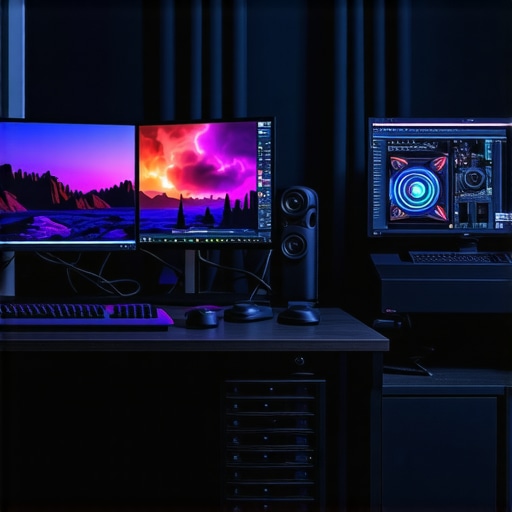
This challenge entails balancing proxy quality with workflow speed. Professional editors often switch to lightweight proxy files during editing, then relink to full-resolution videos for final rendering. Utilizing hardware-accelerated decoding on capable GPUs and ensuring color management workflows are properly calibrated prevents discrepancies. Implementing a dual-monitor setup—one for timeline editing and the other for accurate color grading—can bolster precision. For instance, detailed configurations outlined in this comprehensive guide provide actionable insights.
Maintaining a keen awareness of the latest developments in GPU acceleration standards and monitor calibration technologies ensures ongoing productivity. Does your current hardware adequately support your proxy editing ambitions and color fidelity requirements? Sharing expert insights or case studies in professional forums can help refine best practices.
If you’re seeking to elevate your editing environment further, explore our detailed workflow optimization strategies for 2025 to harness new hardware advancements effectively.
Elevating Proxy Workflow Efficiency Without Compromising Visual Fidelity
Achieving seamless 4K editing often revolves around striking a delicate balance between optimized proxy workflows and maintaining uncompromised color accuracy. Advanced editors recognize that leveraging hardware-accelerated decoding capabilities in modern GPUs, such as those detailed in this comprehensive guide, can significantly reduce latency during proxy toggling. Simultaneously, investing in high-color-gamut, high-bit-depth monitors with hardware calibration support ensures that the color grading process remains precise, regardless of proxy usage.
Deploying AI-Driven Automation to Streamline Editing Processes
Emerging artificial intelligence tools are transforming post-production workflows by automating tedious tasks like scene detection, shot stabilization, and auto-color correction. Integrating AI-powered modules with your existing hardware setup, especially if supported by recent GPU architectures like NVIDIA’s RTX series or AMD’s Radeon line, can expedite editing timelines while enhancing quality control. This synergy allows professionals to allocate more time to creative decisions, rather than technical adjustments, elevating the overall production value.
Optimizing Hardware for Multitasking in Complex Editing Environments
In high-stakes projects, multitasking between editing, color grading, and rendering demands a robust, versatile setup. Multi-monitor configurations, with some screens dedicated to timeline controls and others calibrated for color accuracy, enable more efficient workflows. Ensuring your CPU and GPU have ample resources—think multi-core processors and high-end graphics cards—reduces bottlenecks. For a tailored solution, explore options discussed in top PC build guides for 2025.
Are there new hardware paradigms that could redefine how professionals approach real-time playback and rendering speed in 4K projects?
Absolutely. The advent of next-generation SSDs with NVMe technology, along with GPU-accelerated codecs tailored for 4K workflows, promises substantial throughput improvements. For instance, PCIe 5.0 support introduces bandwidths that can eliminate previous bottlenecks. Keeping abreast of such innovations is crucial; platforms like this industry report offer insights into hardware trends shaping future workflows. Continuous evaluation of your hardware synergy can lead to radically increased productivity and creative flexibility.
Interested in deepening your understanding of cutting-edge technologies? Consider consulting with experts or participating in forums dedicated to professional video editing hardware innovations for tailored advice. For ongoing updates and tailored consultations, reach out through our contact portal.
Maximize Your Editing Power: Innovations in Graphics Card Technologies
As 4K content becomes the standard, staying ahead with cutting-edge graphics solutions is paramount. The latest NVIDIA RTX 40 series and AMD Radeon RX 7000 series GPUs incorporate architectural advancements like AI-driven rendering cores and enhanced hardware decoding capabilities. These innovations enable real-time playback of complex proxy files and expedite rendering pipelines, crucial for workflows demanding both speed and fidelity.
What are the benefits of leveraging tensor cores and AI acceleration in contemporary GPUs?
Tensor cores, originally designed for AI workloads, now play a vital role in accelerated video processing tasks, including denoising, upscaling, and real-time effects application. For instance, NVIDIA’s Maxine platform utilizes tensor cores to enhance video editing efficiency, reducing latency and improving visual quality during complex effects processing. Adopting hardware with dedicated AI acceleration can transform your workflow, especially when integrated with compatible editing software that supports these features.
Illustration showing the integration of AI cores in modern GPUs enhancing 4K editing workflows.
Optimizing Storage Solutions for Swift Data Access and Integrity
Beyond GPU advancements, storage architecture profoundly impacts 4K editing performance. NVMe SSDs with PCIe 4.0 or 5.0 interfaces deliver ultra-fast read/write speeds, minimizing lag during proxy generation and timeline scrubbing. Implementing RAID configurations further enhances data redundancy and throughput, safeguarding project assets against hardware failures while maintaining swift access.
How does storage topology influence overall editing efficiency in high-resolution workflows?
An optimized storage topology ensures that the system’s data throughput matches the demands of 4K workflows. For example, dedicating NVMe SSDs solely for cache and project files reduces contention, whereas separate drives for OS, applications, and media can prevent bottlenecks. Expert setups often incorporate PCIe switches or cache acceleration algorithms, supported by software like Windows Storage Spaces or dedicated hardware controllers, to streamline large file handling and expedite project turnaround times.
For practitioners aiming to refine their storage infrastructure, consulting industry-specific benchmarks and configuration guides becomes essential. Engage with professional forums or hardware specialists to customize solutions aligning with your project scope.
Harnessing the Power of Calibration and Color Management Beyond Monitors
Color grading transcends monitor calibration; it extends into comprehensive workspace management—lighting conditions, peripheral devices, and calibration workflows. Hardware calibration tools like the X-Rite i1Display Pro allow precise profiling, creating a consistent color environment across multiple devices. Additionally, integrating color management frameworks within editing software ensures that what is seen during grading accurately reflects broadcast standards or cinematic intent.
How can formulating a standardized calibration protocol elevate your color grading consistency?
Developing a routine calibration protocol—regularly recalibrating your monitors, calibrating output devices, and synchronizing calibration data—eliminates variability introduced by hardware aging or ambient changes. This consistency empowers editors and colorists to make more informed decisions, reducing revisions during post-production and ensuring fidelity across distribution channels. Leveraging calibration reports, such as those generated by hardware tools, fosters documentation and quality assurance in professional workflows.
Interested in creating a foolproof calibration routine? Consult our detailed guides or connect with professional colorists to tailor a calibration schedule that maintains your workspace’s visual integrity over time.
Revolutionizing 4K Editing Through Advanced Hardware Integration
In high-caliber video editing studios, leveraging next-generation hardware combinations unlocks unprecedented efficiencies and quality benchmarks. When orchestrating a sophisticated proxy workflow, the synergy between high-performance CPUs, specialized GPUs, and precision calibration tools is critical. Integrating AI-enhanced GPUs with dedicated tensor cores can accelerate complex tasks such as real-time proxy toggling, while simultaneously maintaining color fidelity during critical grading stages.
Harnessing Hardware Acceleration for Seamless Proxy Handling
Empowered by the latest in hardware acceleration standards—such as AV1 decoding support and hardware-accelerated H.265 encoding—professional editors can dramatically reduce lag and improve timeline responsiveness. Choosing graphics architectures that support these codecs, like NVIDIA’s Ada Lovelace or AMD’s RDNA 3, ensures smoother handling of 4K proxy files. Additionally, employing high-bandwidth memory modules alongside NVMe SSD arrays allows rapid cache access, minimizing bottlenecks during intensive editing sessions.
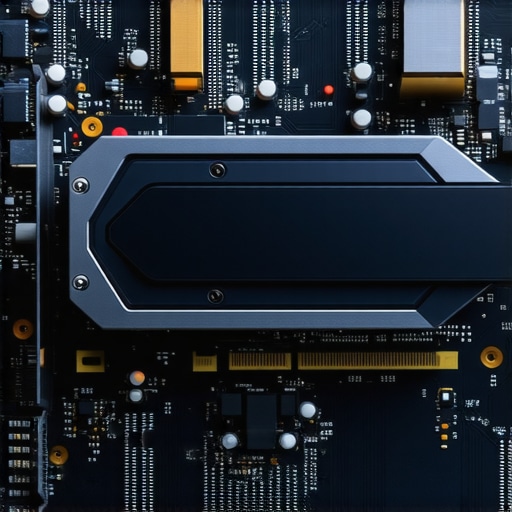
Visual illustrating multi-tiered hardware infrastructure optimally configured for 4K proxy editing workflows.
Empowering Color Precision with Calibration and Emerging Technologies
Beyond monitor calibration, embracing integrated color management ecosystems—including hardware tools that support high-bit-depth calibration and software that ensures consistency across devices—elevates the fidelity of grading processes. Consider deploying hardware LUT boxes that can deliver precise look management across multiple displays, paired with calibration suites compatible with HDR standards such as Dolby Vision or HDR10+. These measures guarantee that proxy use does not compromise the integrity of color decisions, maintaining artist trust at every editing phase.
Expert Insights into Next-Gen Storage Architectures for Video Workflows
Emerging storage paradigms—like PCIe 5.0 NVMe drives with bandwidths surpassing 16 GB/s—are poised to revolutionize media access speeds. Combining these with intelligent data management strategies, such as tiered storage and inline deduplication, further optimizes workload throughput. For multi-user studio environments, implementing shared storage solutions with scalable bandwidth and fault tolerance enables concurrent access to massive 4K projects, streamlining collaboration and accelerating delivery schedules.
### How can integrating AI-driven project management tools further streamline complex editing pipelines? Users should explore cutting-edge AI modules that automate scene recognition, storyboard creation, and metadata tagging, seamlessly integrating with hardware-accelerated workflows for maximal efficiency. Partners and consultancies specializing in cinematic-grade post-production workflows can provide tailored strategies—contact us to learn more about customizing your tech stack for future-ready 4K content creation.
Emerging Frontiers in GPU Technology Speeds and Fidelity
Real-time playback and rendering of ultra-resolution proxies benefit immensely from the shift towards integrated AI cores and enhanced shader architectures. The latest GPU iterations incorporate innovations such as variable rate shading, which allocates rendering resources dynamically, boosting efficiency during preview renders. Furthermore, dedicated hardware denoising and upscaling features—powered by neural network algorithms—enable editors to preview footage at reduced storage cost while preserving visual detail, fostering an environment where speed and quality coexist seamlessly.
What role will emerging neural processing units play in future 4K proxy workflows?
Neural processing units (NPUs) embedded within high-end GPUs will likely dominate next-generation editing solutions, providing on-device inference for complex machine learning models. These models can perform instant noise reduction, frame interpolation, and dynamic scene analysis, reducing reliance on external processing. Software ecosystems aligned with these hardware advances will empower editors with real-time, intelligent adjustments—transforming proxy workflows into more adaptive and intuitive processes. Staying informed via industry-leading sources, such as the IEEE Transactions on Multimedia, offers insights into these technological frontiers, enabling early adoption for competitive advantages.
,
Expert Insights & Advanced Considerations
Optimize Hardware Synergy for Peak Performance
Achieving seamless 4K editing workflows requires finely tuned coordination between CPU, GPU, and storage systems, ensuring minimal bottlenecks and maximum throughput across proxy management and real-time playback.
Harness AI for Creative Acceleration
Incorporating AI-driven tools into your editing suite can automate complex tasks like scene detection and color grading, freeing creative professionals to focus on storytelling rather than technical adjustments.
Prioritize Color Fidelity in Dynamic Environments
Employ high-end calibration workflows and hardware LUTs to maintain consistent, accurate colors throughout editing and grading, especially when switching between proxy and full-resolution footage.
Stay Ahead with Emerging GPU Technologies
Latest GPU architectures are integrating neural network capabilities and hardware-accelerated codecs (such as AV1) that exponentially boost editing efficiency while preserving visual quality.
Develop Resilient Storage Architectures
Implement multi-tiered storage solutions with NVMe drives and RAID configurations to handle large 4K files swiftly, ensuring rapid access and data security during intense editing sessions.
Curated Expert Resources
- Advanced Video Editing Hardware Guides: In-depth analyses of CPU, GPU, and storage setups tailored for high-resolution workflows, available on industry-leading platforms.
- AI Integration in Post-Production: Articles exploring the latest AI tools and their practical applications in scene detection, color correction, and automation, provided by trusted AI research journals.
- Color Calibration Protocols: Professional manuals and webinars from color science experts that detail calibration procedures using high-precision hardware tools.
The Takeaway for Today’s Editing Experts
Contemporary 4K video editing demands a holistic approach, blending cutting-edge hardware, AI-enhanced workflows, and impeccable color management to elevate both productivity and artistic fidelity. As the industry continues to evolve rapidly, continuous learning and hardware optimization become not just advantages but necessities. Engage with leading forums, subscribe to expert publications, and examine case studies to stay at the forefront of this dynamic field. For those ready to refine their tech stack further or contribute their insights, reach out through our contact portal and join the community shaping the future of 4K content creation.”}more}#}#}#}#}#}#}#}#}#}#}#}#}#}#}#}#}#}#}#}#}#}#}#}#}#}#}#}#}#}#}#}#}#}#}#}#}#}#}#}#}#}#}#}#}#}#}#}#}#}#}#}#}#}#}#}#}#}#}#}#}#}#}#}#}#}#}#}#}#}#}#}#}#}#}#}#}#}#}#}#}#}#}#}#}#}#}#}#}#}#}#}#}#}#}#}#}#}#}#}#}#}#}#}#}#}#}#}#}#}#}#}#}#}#}#}#}#}#}#}#}#}#}#}#}#}#}#}#}#}#}#}#}#}#}#}#}#}#}#}#}#}#}#}#}#}#}#}#}#}#}#}#}#}#}#}#}#}#}#}#}#}#}#}#}#}#}#}#}#}#}#}#}#}#}#}#}#}#}#}#}#}#}#}#}#}#}#}#}#}#}#}#}#}#}#}#}#}#}#}#}#}#}#}#}#}#}#}#}#}#}#}#}#}#}#}#}#}#}#}#}#}#}#}#}#}#}#}#}#}#}#}#}#}#}#}#}#}#}#}#}#}#}#}#}#}#}#}#}#}#}#}#}#}#}#}#}#}#}#}#}#}#}#}#}#}#}#}#}#}#}#}#}#}#}#}#}#}#}#}#}#}#}#}#}#}#}#}#}#}#}#}#}#}#}#}#}#}#}#}#}#}#}#}#}#}#}#}#}#}#}#}#}#}#}#}#}#}#}#}#}#}#}#}#}#}#}#}#}#}#}#}#}#}#}#}#}#}#}#}#}#}#}#}#}#}#}#}#}#}#}#}#}#}#}#}#}#}#}#}#}#}#}#}#}#}#}#}#}#}#}#}#}#}#}#}#}#}#}#}#}#}#}#}#}#}#}#}#}#}#}#}#}#}#}#}#}#}#}#}#}#}#}#}#}#}#}#}#}#}#}#}#}#}#}#}#}#}#}#}#}#}#}#}#}#}#}#}#}#}#}#}#}#}#}#}#}#}#}#}#}#}#}#}#}#}#}#}#}#}#}#}#}#}#}#}#}#}#}#}#}#}#}#}#}#}#}#}#}#}#}#}#}#}#}#}#}#}#}#}#}#}#}#}#}#}#}#}#}#}#}#}#}#}#}#}#}#}#}#}#}#}#}#}#}#}#}#}#}#}#}#}#}#}#}#}#}#}#}#}#}#}#}#}#}#}#}#}#}#}#}#}#}#}#}#}#}#}#}#}#}#}#}#}#}#}#}#}#}#}#}#}#}#}#}#}#}#}#}#}#}#}#}#}#}#}#}#}#}#}#}#}#}#}#}#}#}#}#}#}#}#}#}#}#}#}#}#}#}#}#}#}#}#}#}#}#}#}#}#}#}#}#}#}#}#}#}#}#}#}#}#}#}#}#}#}#}#}#}#}#}#}#}#}#}#}#}#}#}#}#}#}#}#}#}#}#}#}#}#}#}#}#}#}#}#}#}#}#}#}#}#}#}#}#}#}#}#}#}#}#}#}#}#}#}#}#}#}#}#}#}#}#}#}#}#}#}#}#}#}#}#}#}#}#}#}#}#}#}#}#}#}#}#}#}#}#}#}#}#}#}#}#}#}#}#}#}#}#}#}#}#}#}#}#}#}#}#}#}#}#}#}#}#}#}#}#}#}#}#}#}#}#}#}#}#}#}#}#}#}#}#}#}#}#}#}#}#}#}#}#}#}#}#}#}#}#}#}#}#}#}#}#}#}#}#}#}#}#}#}#}#}#}#}#}#}#}#}#}#}#}#}#}#}#}#}#}#}#}#}#}#}#}#}#}#}#}#}#}#}#}#}#}#}#}#}#}#}#}#}#}#}#}#}#}#}#}#}#}#}#}#}#}#}#}#}#}#}#}#}#}#}#}#}#}#}#}#}#}#}#}#}#}#}#}#}#}#}#}#}#}#}#}#}#}#}#}#}#}#}#}#}#}#}#}#}#}#}#}#}#}#}#}#}#}#}#}#}#}#}#}#}#}#}#}#}#}#}#}#}#}#}#}#}#}#}#}#}#}#}#}#}#}#}#}#}#}#}#}#}#}#}#}#}#}#}#}#}#}#}#}#}#}#}#}#}#}#}#}#}#}#}#}#}#}#}#}#}#}#}#}#}#}#}#}#}#}#}#}#}#}#}#}#}#}#}#}#}#}#}#}#}#}#}#}#}#}#}#}#}#}#}#}#}#}#}#}#}#}#}#}#}#}#}#}#}#}#}#}#}#}#}#}#}#}#}#}#}#}#}#}#}#}#}#}#}#}#}#}#}#}#}#}#}#}#}#}#}#}#}#}#}#}#}#}#}#}#}#}#}#}#}#}#}#}#}#}#}#}#}#}#}#}#}#}#}#}#}#}#}#}#}#}#}#}#}#}#}#}#}#}#}#}#}#}#}#}#}#}#}#}#}#}#}#}#}#}#}#}#}#}#}#}#}#}#}#}#}#}#}#}#}#}#}#}#}#}#}#}#}#}#}#}#}#}#}#}#}#}#}#}#}#}#}#}#}#}#}#}#}#}#}#}#}#}#}#}#}#}#}#}#}#}#}#}#}#}#}#}#}#}#}#}#}#}#}#}#}#}#}#}#}#}#}#}#}#}#}#}#}#}#}#}#}#}#}#}#}#}#}#}#}#}#}#}#}#}#}#}#}#}#}#}#}#}#}#}#}#}#}#}#}#}#}#}#}#}#}#}#}#}#}#}#}#}#}#}#}#}#}#}#}#}#}#}#}#}#}#}#}#}#}#}#}#}#}#}#}#}#}#}#}#}#}#}#}#}#}#}#}#}#}#}#}#}#}#}#}#}#}#}#}#}#}#}#}#}#}#}#}#}#}#}#}#}#}#}#}#}#}#}#}#}#}#}#}#}#}#}#}#}#}#}#}#}#}#}#}#}#}#}#}#}#}#}#}#}#}#}#}#}#}#}#}#}#}#}#}#}#}#}#}#}#}#}#}#}#}#}#}#}#}#}#}#}#}#}#}#}#}#}#}#}#}#}#}#}#}#}#}#}#}#}#}#}#}#}#}#}#}#}#}#}#}#}#}#}#}#}#}#}#}#}#}#}#}#}#}#}#}#}#}#}#}#}#}#}#}#}#}#}#}#}#}#}#}#}#}#}#}#}#}#}#}#}#}#}#}#}#}#}#}#}#}#}#}#}#}#}#}#}#}#}#}#}#}#}#}#}#}#}#}#}#}#}#}#}#}#}#}#}#}#}#}#}#}#}#}#}#}#}#}#}#}#}#}#}#}#}#}#}#}#}#}#}#}#}#}#}#}#}#}#}#}#}#}#}#}#}#}#}#}#}#}#}#}#}#}#}#}#}#}#}#}#}#}#}#}#}#}#}#}#}#}#}#}#}#}#}#}#}#}#}#}#}#}#}#}#}#}#}#}#}#}#}#}#}#}#}#}#}#}#}#}#}#}#}#}#}#}#}#}#}#}#}#}#}#}#}#}#}#}#}#}#}#}#}#}#}#}#}#}#}#}#}#}#}#}#}#}#}#}#}#}#}#}#}#}#}#}#}#}#}#}#}#}#}#}#}#}#}#}#}#}#}#}#}#}#}#}#}#}#}#}#}#}#}#}#}#}#}#}#}#}#}#}#}#}#}#}#}#}#}#}#}#}#}#}#}#}#}#}#}#}#}#}#}#}#}#}#}#}#}#}#}#}#}#}#}#}#}#}#}#}#}#}#}#}#}#}#}#}#}#}#}#}#}#}#}#}#}#}#}#}#}#}#}#}#}#}#}#}#}#}#}#}#}#}#}#}#}#}#}#}#}#}#}#}#}#}#}#}#}#}#}#}#}#}#}#}#}#}#}#}#}#}#}#}#}#}#}#}#}#}#}#}#}#}#}#}#}#}#}#}#}#}#}#}#}#}#}#}#}#}#}#}#}#}#}#}#}#}#}#}#}#}#}#}#}#}#}#}#}#}#}#}#}#}#}#}#}#}#}#}#}#}#}#}#}#}#}#}#}#}#}#}#}#}#}#}#}#}#}#}#}#}#}#}#}#}#}#}#}#}#}#}#}#}#}#}#}#}#}#}#}#}#}#}#}#}#}#}#}#}#}#}#}#}#}#}#}#}#}#}#}#}#}#}#}#}#}#}#}#}#}#}#}#}#}#}#}#}#}#}#}#}#}#}#}#}#}#}#}#}#}#}#}#}#}#}#}#}#}#}#}#}#}#}#}#}#}#}#}#}#}#}#}#}#}#}#}#}#}#}#}#}#}#}#}#}#}#}#}#}#}#}#}#}#}#}#}#}#}#}#}#}#}#}#}#}#}#}#}#}#}#}#}#}#}#}#}#}#}#}#}#}#}#}#}#}#}#}#}#}#}#}#}#}#}#}#}#}#}#}#}#}#}#}#}#}#}#}#}#}#}#}#}#}#}#}#}#}#}#}#}#}#}#}#}#}#}#}#}#}#}#}#}#}#}#}#}#}#}#}#}#}#}#}#}#}#}#}#}#}#}#}#}#}#}#}#}#}#}#}#}#}#}#}#}#}#}#}#}#}#}#}#}#}#}#}#}#}#}#}#}#}#}#}#}#}#}#}#}#}#}#}#}#}#}#}#}#}#}#}#}#}#}#}#}#}#}#}#}#}#}#}#}#}#}#}#}#}#}#}#}#}#}#}#}#}#}#}#}#}#}#}#}#}#}#}#}#}#}#}#}#}#}#}#}#}#}#}#}#}#}#}#}#}#}#}#}#}#}#}#}#}#}#}#}#}#}#}#}#}#}#}#}#}#}#}#}#}#}#}#}#}#}#}#}#}#}#}#}#}#}#}#}#}#}#}#}#}#}#}#}#}#}#}#}#}#}#}#}#}#}#}#}#}#}#}#}#}#}#}#}#}#}#}#}#}#}#}#}#}#}#}#}#}#}#}#}#}#}#}#}#}#}#}#}#}#}#}#}#}#}#}#}#}#}#}#}#}#}#}#}#}#}#}#}#}#}#}#}#}#}#}#}#}#}#}#}#}#}#}#}#}#}#}#}#}#}#}#}#}#}#}#}#}#}#}#}#}#}#}#}#}#}#}#}#}#}#}#}#}#}#}#}#}#}#}#}#}#}#}#}#}#}#}#}#}#}#}#}#}#}#}#}#}#}#}#}#}#}#}#}#}#}#}#}#}#}#}#}#}#}#}#}#}#}#}#}#}#}#}#}#}#}#}#}#}#}#}#}#}#}#}#}#}#}#}#}#}#}#}#}#}#}#}#}#}#}#}#}#}#}#}#}#}#}#}#}#}#}#}#}#}#}#}#}#}#}#}#}#}#}#}#}#}#}#}#}#}#}#}#}#}#}#}#}#}#}#}#}#}#}#}#}#}#}#}#}#}#}#}#}#}#}#}#}#}#}#}#}#}#}#}#}#}#}#}#}#}#}#}#}#}#}#}#}#}#}#}#}#}#}#}#}#}#}#}#}#}#}#}#}#}#}#}#}#}#}#}#}#}#}#}#}#}#}#}#}#}#}#}#}#}#}#}#}#}#}#}#}#}#}#}#}#}#}#}#}#}#}#}#}#}#}#}#}#}#}#}#}#}#}#}#}#}#}#}#}#}#}#}#}#}#}#}#}#}#}#}#}#}#}#}#}#}#}#}#}#}#}#}#}#}#}#}#}#}#}#}#}#}#}#}#}#}#}#}#}#}#}#}#}#}#}#}#}#}#}#}#}#}#}#}#}#}#}#}#}#}#}#}#}#}#}#}#}#}#}#}#}#}#}#}#}#}#}#}#}#}#}#}#}#}#}#}#}#}#}#}#}#}#}#}#}#}#}#}#}#}#}#}#}#}#}#}#}#}#}#}#}#}#}#}#}#}#}#}#}#}#}#}#}#}#}#}#}#}#}#}#}#}#}#}#}#}#}#}#}#}#}#}#}#}#}#}#}#}#}#}#}#}#}#}#}#}#}#}#}#}#}#}#}#}#}#}#}#}#}#}#}#}#}#}#}#}#}#}#}#}#}#}#}#}#}#}#}#}#}#}#}#}#}#}#}#}#}#}#}#}#}#}#}#}#}#}#}#}#}#}#}#}#}#}#}#}#}#}#}#}#}#}#}#}#}#}#}#}#}#}#}#}#}#}#}#}#}#}#}#}#}#}#}#}#}#}#}#}#}#}#}#}#}#}#}#}#}#}#}#}#}#}#}#}#}#}#}#}#}#}#}#}#}#}#}#}#}#}#}#}#}#}#}#}#}#}#}#}#}#}#}#}#}#}#}#}#}#}#}#}#}#}#}#}#}#}#}#}#}#}#}#}#}#}#}#}#}#}#}#}#}#}#}#}#}#}#}#}#}#}#}#}#}#}#}#}#}#}#}#}#}#}#}#}#}#}#}#}#}#}#}#}#}#}#}#}#}#}#}#}#}#}#}#}#}#}#}#}#}#}#}#}#}#}#}#}#}#}#}#}#}#}#}#}#}#}#}#}#}#}#}#}#}#}#}#}#}#}#}#}#}#}#}#}#}#}#}#}#}#}#}#}#}#}#}#}#}#}#}#}#}#}#}#}#}#}#}#}#}#}#}#}#}#}#}#}#}#}#}#}#}#}#}#}#}#}#}#}#}#}#}#}#}#}#}#}#}#}#}#}#}#}#}#}#}#}#}#}#}#}#}#}#}#}#}#}#}#}#}#}#}#}#}#}#}#}#}#}#}#}#}#}#}#}#}#}#}#}#}#}#}#}#}#}#}#}#}#}#}#}#}#}#}#}#}#}#}#}#}#}#}#}#}#}#}#}#}#}#}#}#}#}#}#}#}#}#}#}#}#}#}#}#}#}#}#}#}#}#}#}#}#}#}#}#}#}#}#}#}#}#}#}#}#}#}#}#}#}#}#}#}#}#}#}#}#}#}#}#}#}#}#}#}#}#}#}#}#}#}#}#}#}#}#}#}#}#}#}#}#}#}#}#}#}#}#}#}#}#}#}#}#}#}#}#}#}#}#}#}#}#}#}#}#}#}#}#}#}#}#}#}#}#}#}#}#}#}#}#}#}#}#}#}#}#}#}#}#}#}#}#}#}#}#}#}#}#}#}#}#}#}#}#}#}#}#}#}#}#}#}#}#}#}#}#}#}#}#}#}#}#}#}#}#}#}#}#}#}#}#}#}#}#}#}#}#}#}#}#}#}#}#}#}#}#}#}#}#}#}#}#}#}#}#}#}#}#}#}#}#}#}#}#}#}#}#}#}#}#}#}#}#}#}#}#}#}#}#}#}#}#}#}#}#}#}#}#}#}#}#}#}#}#}#}#}#}#}#}#}#}#}#}#}#}#}#}#}#}#}#}#}#}#}#}#}#}#}#}#}#}#}#}#}#}#}#}#}#}#}#}#}#}#}#}#}#}#}#}#}#}#}#}#}#}#}#}#}#}#}#}#}#}#}#}#}#}#}#}#}#}#}#}#}#}#}#}#}#}#}#}#}#}#}#}#}#}#}#}#}#}#}#}#}#}#}#}#}#}#}#}#}#}#}#}#}#}#}#}#}#}#}#}#}#}#}#}#}#}#}#}#}#}#}#}#}#}#}#}#}#}#}#}#}#}#}#}#}#}#}#}#}#}#}#}#}#}#}#}#}#}#}#}#}#}#}#}#}#}#}#}#}#}#}#}#}#}#}#}#}#}#}#}#}#}#}#}#}#}#}#}#}#}#}#}#}#}#}#}#}#}#}#}#}#}#}#}#}#}#}#}#}#}#}#}#}#}#}#}#}#}#}#}#}#}#}#}#}#}#}#}#}#}#}#}#}#}#}#}#}#}#}#}#}#}#}#}#}#}#}#}#}#}#}#}#}#}#}#}#}#}#}#}#}#}#}#}#}#}#}#}#}#}#}#}#}#}#}#}#}#}#}#}#}#}#}#}#}#}#}#}#}#}#}#}#}#}#}#}#}#}#}#}#}#}#}#}#}#}#}#}#}#}#}#}#}#}#}#}#}#}#}#}#}#}#}#}#}#}#}#}#}#}#}#}#}#}#}#}#}#}#}#}#}#}#}#}#}#}#}#}#}#}#}#}#}#}#}#}#}#}#}#}#}#}#}#}#}#}#}#}#}#}#}#}#}#}#}#}#}#}#}#}#}#}#}#}#}#}#}#}#}#}#}#}#}#}#}#}#}#}#}#}#}#}#}#}#}#}#}#}#}#}#}#}#}#}#}#}#}#}#}#}#}#}#}#}#}#}#}#}#}#}#}#}#}#}#}#}#}#}#}#}#}#}#}#}#}#}#}#}#}#}#}#}#}#}#}#}#}#}#}#}#}#}#}#}#}#}#}#}#}#}#}#}#}#}#}#}#}#}#}#}#}#}#}#}#}#}#}#}#}#}#}#}#}#}#}#}#}#}#}#}#}#}#}#}#}#}#}#}#}#}#}#}#}#}#}#}#}#}#}#}#}#}#}#}#}#}#}#}#}#}#}#}#}#}#}#}#}#}#}#}#}#}#}#}#}#}#}#}#}#}#}#}#}#}#}#}#}#}#}#}#}#}#}#}#}#}#}#}#}#}#}#}#}#}#}#}#}#}#}#}#}#}#}#}#}#}#}#}#}#}#}#}#}#}#}#}#}#}#}#}#}#}#}#}#}#}#}#}#}#}#}#}#}#}#}#}#}#}#}#}#}#}#}#}#}#}#}#}#}#}#}#}#}#}#}#}#}#}#}#}#}#}#}#}#}#}#}#}#}#}#}#}#}#}#}#}#}#}#}#}#}#}#}#}#}#}#}#}#}#}#}#}#}#}#}#}#}#}#}#}#}#}#}#}#}#}#}#}#}#}#}#}#}#}#}#}#}#}#}#}#}#}#}#}#}#}#}#}#}#}#}#}#}#}#}#}#}#}#}#}#}#}#}#}#}#}#}#}#}#}#}#}#}#}#}#}#}#}#}#}#}#}#}#}#}#}#}#}#}#}#}#}#}#}#}#}#}#}#}#}#}#}#}#}#}#}#}#}#}#}#}#}#}#}#}#}#}#}#}#}#}#}#}#}#}#}#}#}#}#}#}#}#}#}#}#}#}#}#}#}#}#}#}#}#}#}#}#}#}#}#}#}#}#}#}#}#}#}#}#}#}#}#}#}#}#}#}#}#}#}#}#}#}#}#}#}#}#}#}#}#}#}#}#}#}#}#}#}#}#}#}#}#}#}#}#}#}#}#}#}#}#}#}#}#}#}#}#}#}#}#}#}#}#}#}#}#}#}#}#}#}#}#}#}#}#}#}#}#}#}#}#}#}#}#}#}#}#}#}#}#}#}#}#}#}#}#}#}#}#}#}#}#}#}#}#}#}#}#}#}#}#}#}#}#}#}#}#}#}#}#}#}#}#}#}#}#}#}#}#}#}#}#}#}#}#}#}#}#}#}#}#}#}#}#}#}#}#}#}#}#}#}#}#}#}#}#}#}#}#}#}#}#}#}#}#}#}#}#}#}#}#}#}#}#}#}#}#}#}#}#}#}#}#}#}#}#}#}#}#}#}#}#}#}#}#}#}#}#}#}#}#}#}#}#}#}#}#}#}#}#}#}#}#}#}#}#}#}#}#}#}#}#}#}#}#}#}#}#}#}#}#}#}#}#}#}#}#}#}#}#}#}#}#}#}#}#}#}#}#}#}#}#}#}#}#}#}#}#}#}#}#}#}#}#}#}#}#}#}#}#}#}#}#}#}#}#}#}#}#}#}#}#}#}#}#}#}#}#}#}#}#}#}#}#}#}#}#}#}#}#}#}#}#}#}#}#}#}#}#}#}#}#}#}#}#}#}#}#}#}#}#}#}#}#}#}#}#}#}#}#}#}#}#}#}#}#}#}#}#}#}#}#}#}#}#}#}#}#}#}#}#}#}#}#}#}#}#}#}#}#}#}#}#}#}#}#}#}#}#}#}#}#}#}#}#}#}#}#}#}#}#}#}#}#}#}#}#}#}#}#}#}#}#}#}#}#}#}#}#}#}#}#}#}#}#}#}#}#}#}#}#}#}#}#}#}#}#}#}#}#}#}#}#}#}#}#}#}#}#}#}#}#}#}#}#}#}#}#}#}#}#}#}#}#}#}#}#}#}#}#}#}#}#}#}#}#}#}#}#}#}#}#}#}#}#}#}#}#}#}#}#}#}#}#}#}#}#}#}#}#}#}#}#}#}#}#}#}#}#}#}#}#}#}#}#}#}#}#}#}#}#}#}#}#}#}#}#}#}#}#}#}#}#}#}#}#}#}#}#}#}#}#}#}#}#}#}#}#}#}#}#}#}#}#}#}#}#}#}#}#}#}#}#}#}#}#}#}#}#}#}#}#}#}#}#}#}#}#}#}#}#}#}#}#}#}#}#}#}#}#}#}#}#}#}#}#}#}#}#}#}#}#}#}#}#}#}#}#}#}#}#}#}#}#}#}#}#}#}#}#}#}#}#}#}#}#}#}#}#}#}#}#}#}#}#}#}#}#}#}#}#}#}#}#}#}#}#}#}#}#}#}#}#}#}#}#}#}#}#}#}#}#}#}#}#}#}#}#}#}#}#}#}#}#}#}#}#}#}#}#}#}#}#}#}#}#}#}#}#}#}#}#}#}#}#}#}#}#}#}#}#}#}#}#}#}#}#}#}#}#}#}#}#}#}#}#}#}#}#}#}#}#}#}#}#}#}#}#}#}#}#}#}#}#}#}#}#}#}#}#}#}#}#}#}#}#}#}#}#}#}#}#}#}#}#}#}#}#}#}#}#}#}#}#}#}#}#}#}#}#}#}#}#}#}#}#}#}#}#}#}#}#}#}#}#}#}#}#}#}#}#}#}#}#}#}#}#}#}#}#}#}#}#}#}#}#}#}#}#}#}#}#}#}#}#}#}#}#}#}#}#}#}#}#}#}#}#}#}#}#}#}#}#}#}#}#}#}#}#}#}#}#}#}#}#}#}#}#}#}#}#}#}#}#}#}#}#}
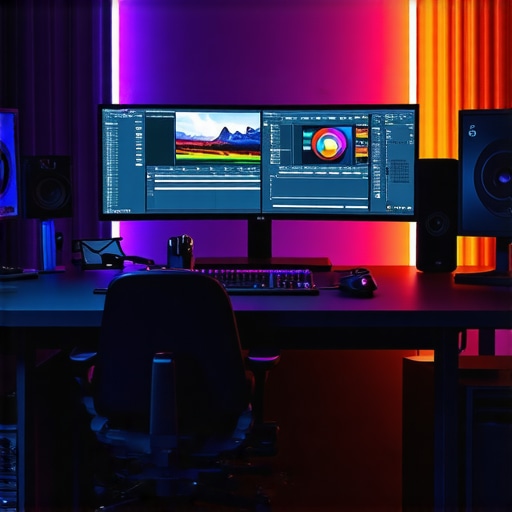
This article really highlights the critical balance between high-end hardware and workflow optimization in modern 4K editing. I’ve personally found that investing in a top-tier GPU with hardware acceleration, like NVIDIA’s RTX series, dramatically cuts down my proxy toggling time and improves playback smoothness. The discussion about color accuracy on monitors is so relevant; I’ve seen great results with hardware calibration tools like the X-Rite i1Display Pro, especially when dealing with client presentations. One thing I’ve been exploring recently is AI-based scene detection integrated into editing workflows, which seems to streamline the initial rough cut process. Has anyone here experimented with AI tools in their post-production pipeline, and if so, what’s been your experience? Also, balancing storage solutions for large 4K files can be tricky; I’ve started using PCIe 4.0 NVMe drives with RAID configurations to keep data flowing smoothly during intense editing sessions. I’d love to hear what storage setups other professionals are finding most effective for high-resolution workflows. The continuous advances in hardware are really opening up creative possibilities—what developments do you all see as game-changers moving forward?