Elevating 4K Video Editing Through Advanced Hardware and Workflow Strategies
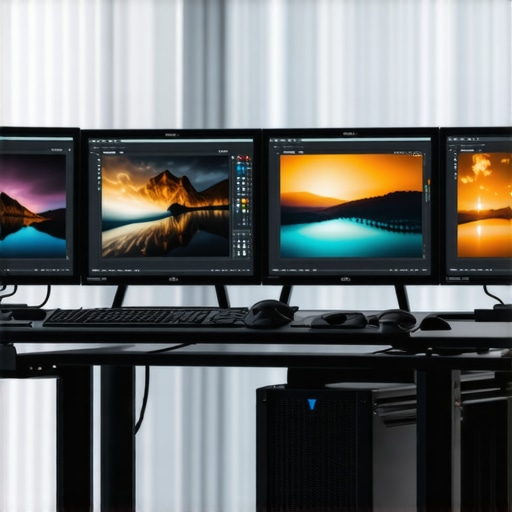
In the realm of professional video production, especially when tackling 4K resolution, the synergy between high-performance hardware and optimized workflows is crucial. As an industry expert, I recognize that selecting the right video editing PC and GPU forms the backbone of seamless editing, while precise color grading monitors ensure color accuracy essential for professional-grade output. This article explores the nuanced interplay of these components, emphasizing how they empower creators to push the boundaries of 4K video quality.
What Are the Critical Factors for Selecting a GPU for 4K Video Editing and Color Grading?
Choosing an editing GPU that meets the rigorous demands of 4K production involves evaluating memory bandwidth, CUDA/core counts, and VRAM capacity. For instance, high-tier editing GPUs like NVIDIA’s RTX 4090 or AMD’s Radeon RX 7900 XTX provide the computational muscle necessary for real-time playback, rendering, and effects processing. Moreover, compatibility with software acceleration features—such as Adobe’s Mercury Playback Engine—can significantly reduce rendering times and improve workflow efficiency.
In addition, integrating a color grading monitor with hardware calibration support ensures that color fidelity remains consistent across different stages of the editing pipeline. A monitor like the professional-grade color grading display becomes indispensable for accurate color correction, especially when working with HDR content or delicate skin tones in 4K footage.
Optimizing Proxy Workflow for Flawless 4K Editing
Handling 4K footage can overwhelm even the most powerful systems, making a well-implemented proxy workflow essential. Proxy editing involves creating lightweight versions of high-resolution clips, enabling smoother playback and editing. When combined with a high-performance PC build optimized for multimedia processing, this approach drastically reduces lag and allows for real-time adjustments without sacrificing quality during final renders.
Furthermore, leveraging hardware-accelerated proxy workflows in editing software such as Adobe Premiere Pro or DaVinci Resolve enhances productivity, especially when working on complex projects involving multiple 4K streams and effects.
Can Your Hardware Keep Up with the Evolving Standards of 4K Content?
As 4K content continues to evolve with higher dynamic range and frame rates, the question of hardware readiness becomes increasingly pertinent. Expert consensus suggests that future-proofing your setup involves selecting GPUs with ample VRAM, robust CUDA cores, and support for emerging standards like AV1 encoding. Regularly consulting authoritative sources, such as the ultimate guide to 4K hardware, helps stay ahead of technological shifts and ensures your workflow remains efficient and scalable.
Additionally, staying informed about the latest developments in monitor technology and workflow software ensures that your editing environment supports the demanding nature of 4K production, including HDR calibration and color accuracy.
For professionals striving for excellence in 4K video production, continuous hardware assessment and workflow refinement are non-negotiable. Engage with expert communities and contribute your insights to push industry standards further.
Explore more about industry-leading color grading monitors and GPU solutions for 4K editing to refine your setup and achieve uncompromising quality in your video projects.
Unlocking the Power of Hardware for 4K Video Masterpieces
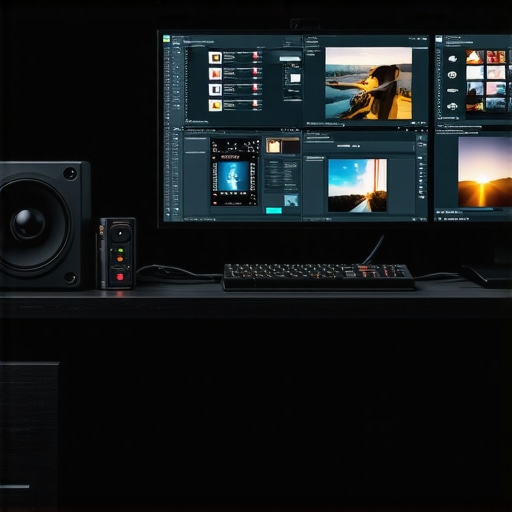
To truly harness the potential of 4K content creation, understanding how your hardware components interact is essential. A high-performance video editing PC equipped with the latest top editing GPUs for 2025 ensures real-time playback and speedy rendering, critical for professional workflows. Pairing this with a color grading monitor that supports hardware calibration guarantees that your color fidelity remains consistent, which is vital for delivering broadcast-ready videos. This harmonious hardware setup minimizes bottlenecks, enabling creators to focus on artistic expression rather than technical limitations.
Innovative Workflow Tactics for 4K Content Efficiency
Implementing advanced workflows like proxy editing can dramatically streamline the editing process, especially when dealing with complex 4K projects. Creating lightweight proxy files allows for smooth editing without overtaxing your system. When combined with a robust proxy workflow, this method preserves high-quality output while reducing lag and improving responsiveness. For optimal results, consider a custom PC build designed for multimedia processing, ensuring your hardware is tailored for demanding 4K editing tasks.
Is Your Setup Ready for the Future of 4K Content?
As 4K technology continues to evolve, with higher frame rates and HDR support becoming standard, your hardware must keep pace. Future-proofing involves selecting GPUs with ample VRAM and support for emerging standards like AV1 encoding. Experts recommend consulting authoritative resources such as the ultimate guide to 4K hardware to stay abreast of technological shifts. This proactive approach ensures your editing environment remains scalable and efficient, capable of handling the most demanding projects without compromise.
What Are the Hidden Costs of Overlooking Hardware Compatibility in 4K Editing?
Neglecting hardware compatibility can lead to significant workflow disruptions, increased rendering times, and compromised output quality. Outdated GPUs or monitors lacking proper calibration support can cause color inaccuracies, which are unacceptable in professional environments. Ensuring your setup aligns with the latest standards not only boosts productivity but also guarantees that your final product meets industry expectations. For tailored advice on integrating hardware for optimal 4K editing, consider reaching out through our contact page.
If you’re eager to enhance your editing environment further, explore our comprehensive guides and community insights for practical tips and the latest hardware reviews.
The Art of Matching GPU Power with Creative Demands in 4K Production
In the high-stakes world of 4K video editing, selecting a GPU is akin to choosing the heart of your editing powerhouse. Beyond the specifications listed on paper, the real challenge lies in understanding how these components integrate into your workflow. Expert editors emphasize the importance of GPU scalability, especially as software like Adobe Premiere Pro and DaVinci Resolve evolve to leverage AI acceleration and hardware-accelerated effects. A GPU such as NVIDIA’s RTX 4090, with its extensive CUDA cores and 24GB VRAM, provides not only raw power but also future-proofing against upcoming software updates that demand higher computational resources. This ensures real-time playback, smooth rendering, and the capacity to handle complex effects without bottlenecks.
Moreover, compatibility with hardware-accelerated encoding standards like NVENC and AMD’s VCN is crucial for reducing export times, especially when delivering multiple 4K outputs. As professional workflows become increasingly data-intensive, understanding the nuances of GPU architecture helps creators optimize their setups for both current needs and future innovations.
Color Calibration and Monitors: The Unsung Heroes of Color Precision
While GPU power is vital, the display device acts as the critical link to your creative intent. High-end color grading monitors, such as those supporting 10-bit color depth and hardware calibration, are indispensable for maintaining color fidelity throughout your editing process. These monitors facilitate accurate HDR grading, ensuring that your final output faithfully reproduces the intended aesthetic across different viewing platforms.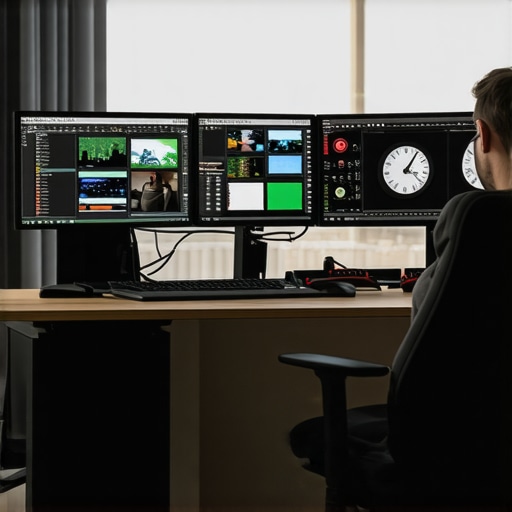
Calibration tools like X-Rite’s i1Display Pro or Datacolor’s SpyderX are industry standards for maintaining consistent color accuracy. When paired with a professional-grade monitor, they enable precise adjustments to gamma, white balance, and color temperature, which are essential for delivering broadcast-ready content. To stay ahead in this arena, regularly updating calibration profiles and understanding the spectral capabilities of your monitor are recommended practices for professionals committed to excellence.
Why is Support for Emerging Standards Like AV1 Vital for Future-Ready Workstations?
Emerging video codecs such as AV1 are redefining the landscape of digital content distribution, promising higher efficiency and better compression than older standards like H.264 or HEVC. Hardware support for AV1 decoding and encoding is rapidly becoming a necessity for professionals aiming to stay competitive. GPUs with dedicated AV1 hardware encoders, such as NVIDIA’s RTX 40 series, enable faster rendering times and more efficient workflows when delivering 4K content optimized for streaming platforms.
According to the Streaming Media article, adopting hardware support for AV1 now ensures that your editing setup remains scalable and compatible with future distribution channels, reducing the need for costly upgrades down the line. This proactive approach integrates seamlessly with your existing hardware investments, providing a leap towards a more versatile post-production environment.
To deepen your understanding, consider joining professional forums and workshops focused on emerging standards, where you can exchange insights with industry peers and stay informed about the latest developments in hardware compatibility and software integration.
How Can Investing in Modular Hardware Setup Future-Proof Your Editing Environment?
Modular hardware configurations—such as desktop workstations with swappable GPUs, RAM, and storage—offer unparalleled flexibility for adapting to technological advancements. Experts recommend designing your workstation with upgradeability in mind, allowing you to swap out components as new standards emerge. For instance, choosing a motherboard with PCIe 4.0 or 5.0 support ensures compatibility with the latest GPU architectures, while high-capacity NVMe SSDs facilitate rapid data transfer necessary for 4K workflows.
Furthermore, integrating a robust power supply and cooling system ensures stability during intensive processing tasks. This approach not only extends the lifespan of your hardware but also minimizes downtime and costly replacements, making it a financially prudent strategy for professionals committed to maintaining a cutting-edge editing environment.
The Hidden Costs of Overlooking Hardware-Software Synergy
Neglecting the interplay between hardware components and editing software can lead to bottlenecks, increased project timelines, and compromised output quality. For instance, using a monitor lacking hardware calibration support in a color-critical workflow can result in inaccurate color grading, ultimately affecting client satisfaction. Similarly, an underpowered GPU can cause lag during effects rendering, forcing workarounds that diminish productivity and creativity.
By investing in a balanced setup—where GPU, CPU, RAM, storage, and display calibration tools work harmoniously—you ensure that your workflow remains efficient, reliable, and scalable. This not only preserves your reputation in high-end production but also unlocks creative possibilities previously hindered by technical limitations. For tailored advice on optimizing your hardware configuration, reach out through our contact page.
Embrace continuous learning and hardware evaluation to keep pace with the evolving standards of 4K content creation. The future belongs to those who anticipate technological shifts and prepare their environment accordingly—so start planning your next upgrade today and stay at the forefront of professional video editing.
Harnessing the Power of Cutting-Edge GPU Architectures for Seamless 4K Playback
To elevate your 4K video editing workflow, it’s imperative to leverage GPUs that support hardware-accelerated encoding and decoding standards such as AV1, HEVC, and NVENC. The latest NVIDIA RTX series, particularly the RTX 4090 with its 24GB VRAM and advanced CUDA cores, exemplifies future-proofing, offering increased efficiency in real-time effects rendering and multi-stream playback. These capabilities enable editors to handle complex timelines with multiple 4K layers, effects, and color grading without sacrificing performance.
The Critical Role of Monitors in Achieving True Color Fidelity
While GPU prowess is vital, the display used during editing can make or break your color grading accuracy. High-end monitors supporting 10-bit color depth, hardware calibration, and HDR standards, such as the Dolby Vision-certified models, ensure that color nuances in skin tones, HDR content, and intricate effects are faithfully represented. Regular calibration with tools like X-Rite’s i1Display Pro maintains spectral accuracy, crucial for professional broadcast and cinematic deliverables.
What Are the Key Considerations When Integrating AI Acceleration into Your Workflow?
AI-driven features in editing software, including noise reduction, smart scaling, and automated color matching, demand compatible hardware that can harness tensor cores and AI-specific acceleration. Modern GPUs like the RTX 4080 incorporate dedicated AI cores that significantly reduce rendering times and enhance creative control. Understanding how to optimize these features can dramatically streamline post-production, especially in projects involving complex effects and color grading.
According to industry reports from HighEnd3D, integrating AI acceleration not only boosts productivity but also opens avenues for innovative effects that were previously too resource-intensive. Stay engaged with emerging software updates to maximize these benefits.
Enhancing Proxy Workflow with Modular Hardware Solutions
Implementing a modular hardware setup that supports rapid upgrades—such as PCIe 5.0-compatible motherboards and high-speed NVMe SSDs—ensures your proxy workflow remains agile in handling ever-increasing data loads. This flexibility allows for seamless transitions between proxy and full-resolution editing, maintaining high fidelity and responsiveness. For example, using hot-swappable GPU modules and scalable RAM configurations can future-proof your workstation against upcoming software demands.
Why Prioritizing Future-Ready Standards Can Save You Thousands
Adopting hardware with native support for emerging standards like AV1, DisplayHDR 2000, and DDR5 memory ensures compatibility with upcoming streaming services and broadcast specifications. The initial investment in such hardware often pays dividends by reducing upgrade costs and minimizing workflow disruptions. Experts from Streaming Media emphasize that early adoption of these standards positions professionals at the forefront of technological evolution.
Don’t Overlook the Impact of Power and Cooling Solutions
A high-performance editing rig demands robust power supplies and efficient cooling systems to sustain demanding GPU workloads over extended periods. Overclocked systems, while tempting for extra speed, require carefully managed thermal environments to prevent bottlenecks and hardware failures. Investing in enterprise-grade power supplies and liquid cooling solutions can extend component lifespan and ensure stable operation during lengthy rendering sessions.
Engage with the Community for Continuous Innovation
Staying connected with industry forums, attending webinars on hardware advancements, and participating in beta testing programs can provide invaluable insights into upcoming trends. Networking with fellow professionals allows you to exchange practical tips on integrating new hardware standards and workflows, ensuring your studio remains competitive in the fast-evolving landscape of 4K production.
Expert Insights & Advanced Considerations
Prioritize Hardware Scalability for Future Growth
Investing in modular components like PCIe 5.0-compatible motherboards and high-capacity NVMe SSDs ensures your workstation can adapt to evolving 4K standards, minimizing future upgrade costs and downtime.
Leverage AI Acceleration to Enhance Creativity
Modern GPUs with tensor cores, such as NVIDIA’s RTX 4080 or 4090, unlock AI-driven features like automated color matching and noise reduction, streamlining post-production and elevating output quality.
Maintain Color Fidelity with Advanced Monitors
High-end color grading monitors supporting 10-bit color depth and hardware calibration are indispensable for delivering broadcast-ready content, especially when working with HDR and intricate color effects in 4K videos.
Optimize Proxy Workflows for Efficiency
Creating lightweight proxy files paired with powerful hardware allows seamless editing of 4K footage, reducing lag and improving responsiveness without sacrificing final quality, especially in complex projects.
Stay Ahead of Emerging Video Standards
Supporting codecs like AV1 and standards such as DisplayHDR 2000 ensures your workflow remains compatible with future streaming and broadcasting requirements, safeguarding your investment over time.
Curated Expert Resources
- Video Editing Software Official Documentation: Provides in-depth tutorials and feature updates for tools like Adobe Premiere Pro and DaVinci Resolve, crucial for mastering workflow optimizations.
- Hardware Manufacturer Whitepapers: NVIDIA, AMD, and monitor brands publish detailed specifications and best practices, invaluable for making informed hardware choices.
- Industry Forums and Professional Communities: Platforms such as Creative COW, Reduser, and specialized Reddit communities foster knowledge sharing and industry insights.
- Technical Articles on Streaming Media: Stay updated on emerging codecs and standards shaping future content distribution and editing workflows.
Final Expert Perspective
Achieving professional-grade 4K video editing hinges on a harmonious blend of powerful hardware and refined workflows. Emphasizing scalability, AI integration, color accuracy, and future-proof standards ensures your setup remains competitive and efficient. Dive deep into authoritative resources and engage with industry experts to continuously elevate your craft. For a comprehensive upgrade, explore our detailed guides on hardware and software optimization—your next breakthrough in 4K production awaits.