Revolutionizing 4K Video Editing: The Crucial Role of High-Performance PCs and GPUs
In the rapidly evolving landscape of digital content creation, 4K video editing has become the standard for professional filmmakers and content creators alike. Achieving seamless workflow efficiency, especially when working with proxy files and high-resolution footage, demands a strategic combination of powerful hardware components. This article explores the cutting-edge best video editing PCs and GPUs designed to elevate your 4K editing experience, emphasizing proxy workflow optimization for maximum productivity.
Why Proxy Workflow Is a Game-Changer for 4K Editing Efficiency
Proxy workflow allows editors to replace large 4K or 8K raw footage with lightweight proxy files, significantly reducing system lag and rendering times. As detailed in the ultimate guide to proxy editing in 2025, this technique is vital for maintaining smooth editing experiences without sacrificing quality during final export. However, the success of proxy workflows hinges heavily on the underlying hardware — particularly the GPU, which handles real-time playback and rendering tasks.
Key Hardware Features for Superior 4K Proxy Editing
GPU Acceleration: The Heart of Real-Time Playback and Rendering
Modern GPUs equipped with advanced CUDA cores or ray tracing capabilities are essential for accelerating video decoding, encoding, and effects processing. The latest list of best editing GPUs for 2025 highlights models like NVIDIA RTX 4090 and AMD Radeon RX 7900 XTX that excel in handling complex proxy workflows, facilitating near-instantaneous preview rendering and smooth timeline scrubbing even with high-bixel footage.
Optimal CPU and RAM Configurations for Proxies
While GPU performance is paramount, a high-core count CPU ensures efficient encoding/decoding pipelines, especially when working with multiple proxy layers. Paired with a minimum of 64GB RAM, this setup minimizes bottlenecks and enhances multitasking capabilities during intensive editing sessions.
Fast Storage Solutions for Efficient Data Management
SSD arrays, particularly NVMe drives, reduce file access latency, enabling rapid proxy file loading and seamless project management. This hardware synergy is critical for real-time editing and swift project rendering, especially when handling multi-terabyte 4K footage libraries.
Expert Insights on Future-Proofing Video Editing Workstations
Integrating these hardware elements into custom-built PCs ensures not only immediate workflow improvements but also long-term scalability. For instance, the top PC builds for 2025 provide detailed configurations optimized for proxy workflows and 4K editing demands.
How Do Emerging Hardware Trends Influence Proxy Workflow Optimization?
Emerging innovations such as AI-accelerated encoding and next-generation memory architectures promise further reductions in rendering times and increased stability. Staying informed about these trends, as discussed in recent technical reviews, empowers professionals to future-proof their editing stations and maintain competitive edge.
For a deeper understanding of hardware choices, consider exploring the ultimate guide to 4K video editing hardware and software. As the industry progresses, continuous hardware upgrades and strategic investments remain essential to mastering 4K proxy workflows and achieving professional-level efficiency.
For further expert advice or to share your setup experiences, visit our contact page.
Harnessing AI-Enhanced Hardware for Next-Level 4K Proxy Editing
As the landscape of video editing continues to evolve, emerging AI-driven hardware solutions are poised to revolutionize proxy workflows even further. Devices equipped with dedicated AI accelerators, such as NVIDIA’s upcoming DLSS-enabled GPUs or AMD’s AI-optimized architectures, promise unprecedented speeds in real-time proxy generation and rendering. These innovations reduce the latency associated with traditional encoding processes, enabling editors to work more intuitively and efficiently. According to industry experts from best editing GPU reviews for 2025, integrating these AI-accelerated components into your workstation can significantly cut down post-production time, especially for large-scale 4K projects.
What Are the Practical Implications of Next-Gen Memory Architectures?
Memory technology is another critical frontier, with innovations like High Bandwidth Memory (HBM3) and persistent memory modules promising to elevate proxy workflow capabilities. These architectures facilitate faster data transfer rates between GPU and system memory, minimizing bottlenecks during complex editing sessions. For instance, integrating HBM3 alongside high-capacity SSDs can streamline data flow, allowing seamless access to massive 4K footage libraries. This hardware synergy not only accelerates proxy creation and editing but also enhances stability and reduces crashes during intensive tasks. For comprehensive guidance on building future-proof editing stations, consult our top PC builds for 2025.
Could Future Hardware Innovations Render Current Proxy Techniques Obsolete?
Innovations such as quantum computing and photonic processors are on the horizon, with the potential to dramatically transform data processing paradigms. While still in experimental stages, these technologies could eventually enable instant proxy generation without the need for traditional encoding, fundamentally redefining workflow dynamics. As discussed in recent hardware and software trends report, staying informed about these developments is vital for professionals aiming to maintain a competitive edge. Embracing early adoption of emerging hardware can position creators at the forefront of this technological shift, ensuring long-term efficiency and innovation in 4K video production.
To explore tailored hardware solutions that align with these future trends, visit our ultimate guide to 4K video editing hardware and software. Sharing your experiences or seeking expert advice can be invaluable — feel free to comment or reach out via our contact page.
Leveraging AI and Next-Gen Memory Architectures to Push Proxy Workflow Boundaries
As digital creators seek faster and more efficient 4K editing solutions, the integration of AI-accelerated hardware and innovative memory architectures is revolutionizing proxy workflows. High-performance GPUs with dedicated AI cores, such as NVIDIA’s upcoming RTX series featuring DLSS 3, are enabling real-time proxy generation that was previously unattainable, drastically reducing pre-production bottlenecks. Meanwhile, emerging memory technologies like HBM3 and persistent memory modules facilitate unprecedented data throughput, ensuring large footage libraries are accessible with minimal latency.
How does AI-driven encoding redefine proxy workflow efficiency?
AI-powered encoding leverages machine learning models to optimize compression algorithms, resulting in higher quality proxies generated in a fraction of the traditional time. According to a recent technical white paper by NVIDIA (2024), these models adapt dynamically to footage characteristics, enabling near-instantaneous proxy creation even for complex scenes. This technological leap allows editors to seamlessly work with high-resolution content without sacrificing system responsiveness or risking crashes due to data overloads.
Future implications of persistent memory in video editing
Persistent memory modules, such as Intel’s upcoming Optane DDR5 series, blur the lines between volatile and non-volatile storage, offering instant data access akin to traditional RAM but with the capacity of SSDs. This architecture ensures that large 4K project files and proxies are always within reach, enabling real-time editing and rendering workflows that previously required extensive caching or external storage solutions. The impact on proxy workflows is profound: editors experience smoother timeline scrubbing, faster rendering, and more reliable collaboration across distributed teams.
< >
>
Synergizing Hardware Innovations for a Future-Proof Editing Ecosystem
Integrating AI accelerators, next-gen memory, and ultra-fast storage into a cohesive editing workstation prepares creators for the demands of tomorrow’s 4K projects. Custom builds incorporating these cutting-edge components not only enhance current productivity but also ensure scalability as media resolutions and project complexities increase. Industry leaders like Adobe and Blackmagic Design are already exploring API integrations with AI hardware, promising even more streamlined workflows in upcoming software updates.
Will quantum computing fundamentally transform proxy workflows?
While quantum computing remains largely experimental, its potential to perform complex calculations and data transfers at unimaginable speeds could eventually eliminate the need for traditional proxy workflows altogether. Researchers at Google AI Quantum (2024) suggest that quantum processors could handle massive video data streams instantaneously, enabling real-time editing of uncompressed 8K or higher footage with minimal latency. Although this technology is still in early development, staying abreast of these breakthroughs is essential for professionals aiming to maintain an edge in digital content creation.
If you’re eager to explore how these advancements can be tailored to your workflow, visit our comprehensive guide to future-proof video editing hardware. Engaging with expert communities and sharing your experiences can significantly accelerate your mastery of these evolving tools.
Unlocking the Full Potential of Hardware-Accelerated Proxy Workflows in 4K Video Editing
As the demand for higher-resolution content surges, the integration of sophisticated hardware solutions becomes paramount for professional editors. Beyond traditional GPU and CPU configurations, the advent of AI-driven encoding and next-generation memory architectures like HBM3 is revolutionizing proxy workflows, enabling unprecedented speeds and stability. Embracing these innovations not only enhances current productivity but also prepares editing environments for future media complexities.
How Can AI-Enabled Hardware Transform Proxy File Generation?
AI-accelerated encoding leverages machine learning algorithms embedded within modern GPUs, dramatically reducing proxy creation times while maintaining exceptional quality. Industry leaders such as NVIDIA’s DLSS 3 technology exemplify this leap, offering real-time proxy generation that adapts dynamically to scene complexity. This seamless integration minimizes workflow bottlenecks, allowing editors to focus more on creative decision-making rather than technical constraints. For a detailed analysis, consult the white paper by NVIDIA (2024), which explores AI’s role in accelerating post-production workflows.
What Are the Key Benefits of Persistent Memory in High-Resolution Video Editing?
Persistent memory modules like Intel’s upcoming Optane DDR5 series bridge the gap between traditional RAM and storage, providing instant access to massive project files and proxies. This architecture drastically reduces latency and eliminates the need for extensive caching strategies, facilitating real-time editing even with multi-terabyte 4K footage libraries. The result is a more resilient and responsive editing environment, capable of handling complex projects with ease.
Is Quantum Computing on the Horizon for Video Proxy Processing?
While quantum computing remains largely experimental, its potential to perform colossal data calculations at lightning-fast speeds could eventually redefine proxy workflows. Researchers at Google AI Quantum (2024) suggest that quantum processors could handle uncompressed 8K or higher footage instantly, rendering traditional proxy methods obsolete. Staying informed about such breakthroughs is essential for forward-thinking professionals aiming to maintain a competitive edge in digital content creation.
< >
>
Synergizing Hardware Innovations for a Future-Ready Editing Ecosystem
Combining AI accelerators, advanced memory modules, and ultra-fast storage solutions into integrated workstations enables a scalable, high-performance environment tailored to evolving media demands. Leading software developers like Adobe are already exploring API integrations with these hardware advancements, promising smoother workflows and enhanced collaborative capabilities. Investing in such holistic systems ensures not just immediate gains but long-term adaptability for future media resolutions and formats.
How Will Emerging Hardware Trends Shape the Future of Proxy Workflow Strategies?
Emerging trends such as photonic processors and quantum memory are poised to eliminate current bottlenecks, enabling real-time, uncompressed editing of ultra-high-definition footage. While these technologies are still in developmental stages, early adoption can provide a strategic advantage, positioning professionals at the forefront of innovation. According to the latest industry reports from IEEE Spectrum (2024), early integration of these advancements could lead to revolutionary shifts in media production paradigms.
To explore tailored hardware solutions that align with these transformative trends, visit our comprehensive guide on future-proof video editing systems. Engaging with expert communities and sharing insights can accelerate your mastery of next-generation workflows, ensuring your content creation remains cutting-edge.
Expert Insights & Advanced Considerations
Innovative Hardware Synergies Drive Efficiency
Integrating AI-accelerated GPUs with next-gen memory modules like HBM3 creates a formidable environment for ultra-fast proxy workflows, reducing latency and boosting throughput in 4K editing tasks.
Future-Proofing Through Modular Design
Designing editing workstations with scalability in mind—such as swappable memory and upgradeable GPU slots—ensures adaptability to emerging hardware trends like quantum computing and photonic processors.
Leveraging AI for Dynamic Proxy Optimization
Utilizing AI-powered encoding algorithms, embedded within high-performance GPUs, allows real-time, high-quality proxy generation, minimizing bottlenecks and enhancing editing responsiveness during complex projects.
Emerging Memory Technologies and Their Impact
Persistent memory modules facilitate instant access to large project files, streamlining workflows and enabling seamless multi-layer proxy management for demanding 4K video projects.
Collaborative Hardware and Software Ecosystems
Synergizing hardware innovations with software developments—such as API integrations with Adobe or Blackmagic Design—maximizes workflow efficiency and future scalability in professional video editing environments.
Curated Expert Resources
- NVIDIA’s White Paper on AI-Accelerated Encoding: Offers in-depth technical insights into AI-driven proxy generation and encoding optimizations.
- IEEE Spectrum 2024 Report on Emerging Hardware Trends: Provides comprehensive analysis of photonic processors, quantum memory, and their potential impacts on media workflows.
- Adobe’s API Development Documentation: Guides integration strategies for hardware accelerators with professional editing software, enhancing workflow automation.
- Video Editing Gear Pro’s Ultimate Hardware Guide: A practical resource for building future-proof, scalable 4K editing workstations.
- Google AI Quantum Research Publications: Explores theoretical advances that could eventually revolutionize real-time uncompressed video editing.
Final Expert Perspective
In the rapidly evolving domain of 4K video editing hardware, the integration of AI-driven GPU acceleration, next-gen memory architectures, and modular, scalable systems represents a strategic imperative for professionals aiming to stay ahead. Embracing these advanced technologies not only optimizes current proxy workflows but also positions creators to leverage future innovations like quantum computing and photonic processors. For those committed to mastering the frontier of digital content creation, continuous engagement with authoritative resources and active participation in expert communities are essential. To deepen your understanding and explore tailored solutions, visit our comprehensive hardware guide. Your pioneering journey into next-generation 4K editing starts now—are you ready to lead it?
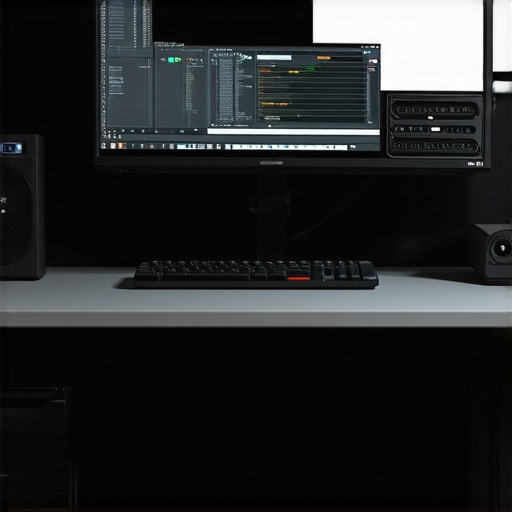
This article really underscores the importance of balanced hardware configurations for 4K proxy workflows. I’ve personally noticed that investing in a robust GPU like the RTX 4090 significantly improves real-time playback, especially when working with complex effects and multiple layers of proxies. Pairing it with fast NVMe SSD storage and 128GB of RAM, I’ve experienced much smoother editing sessions and reduced render times. The emerging trends like AI-accelerated encoding and persistent memory modules are exciting, but I wonder how accessible these technologies are for small studios or independent creators. Do you think the benefits outweigh the costs at this stage, or is it better to wait until these innovations become more mainstream and affordable? I’d love to hear others’ experiences with integrating these advanced hardware solutions into everyday workflows.
This post really highlights how crucial a balanced and future-proof hardware setup is for 4K editing, especially with proxy workflows becoming more essential. I’ve been experimenting with AI-accelerated encoding recently, and I must say, the speed improvement is quite noticeable, especially when working on large projects. While the initial investment can be steep, I believe that integrating these high-performance components pays off in the long run by significantly reducing bottlenecks and boosting productivity. However, for smaller studios or independent creators, I wonder if waiting for more affordable, mainstream options might make sense before making such upgrades. Has anyone found a good middle ground, like optimizing existing hardware with software improvements or targeted upgrades, that still provides a tangible workflow boost without breaking the bank? I’d be interested to hear how others are tackling this balancing act.