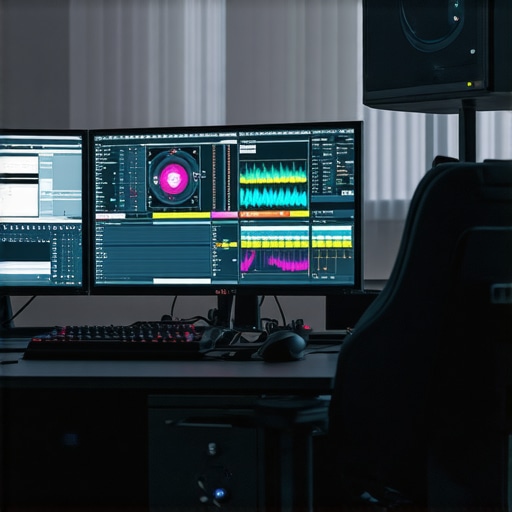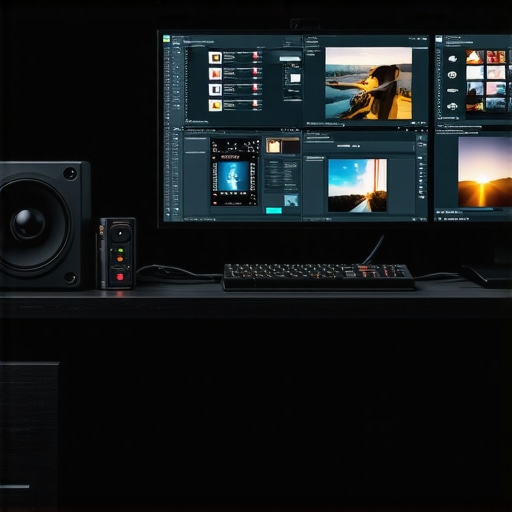
In the rapidly evolving realm of professional video production, leveraging cutting-edge hardware and optimized workflows is paramount for maintaining a competitive edge. High-resolution formats like 4K and emerging 8K content demand not only robust GPU processing power but also sophisticated proxy workflows and precision-oriented color grading monitors. As digital creators and post-production professionals push the boundaries of resolution and quality, understanding the synergy between hardware components and workflow strategies becomes essential for seamless editing experiences.
The Critical Role of Editing GPUs in Handling 4K and 12K Video Workflows
High-performance editing GPUs are the backbone of modern video editing stations, especially when dealing with intensive 4K, 6K, and future 12K raw footage. Top-tier GPUs featuring 24GB or more VRAM, such as the latest models supported by NVIDIA and AMD, enable real-time playback and accelerated rendering without bottlenecks. Experts recognize that simply upgrading VRAM is insufficient without considering architecture, CUDA cores, and ray-tracing capabilities, all of which influence AI-driven color grading and complex effects.
How Do We Select the Optimal GPU for AI-Enhanced Color Grading and Raw Processing?
Choosing the right GPU necessitates analyzing the specific demands of your workflow, including timeline complexity, resolution targets, and software compatibility. For instance, AI-accelerated 8K color correction tools benefit from high Tensor core counts and deep learning capabilities embedded in recent GPU architectures. This integration reduces render times, enhances color accuracy, and elevates the creative potential, especially on monitors that support 12-bit color depth with professional HDR calibration.
Proxy Workflow Dynamics in 2026’s 4K and 8K Editing Environments
Proxy workflows have transitioned from a mere convenience to a necessity in handling increasingly complex timelines. Modern proxy strategies—such as smart proxies and adaptive proxies—can significantly diminish system lag and prevent dropped frames during editing sessions. The utilization of optimized proxy workflows allows editors to work natively in high-resolution formats without sacrificing interactivity or responsiveness.
What Advanced Proxy Techniques Ensure Flawless 4K and 8K Timeline Playback?
Implementing local caching, real-time transcoding, and hardware-accelerated proxy generation are advanced techniques that mitigate common bottlenecks. For example, configuring local proxy caches alongside high-speed NVMe drives can make a substantial difference in timeline fluidity during complex multi-layer edits.
Calibrating Color for Broadcast-Quality 4K and HDR Content
Achieving precise color reproduction involves pairing your hardware, especially color grading monitors, with accurate calibration routines. Monitors supporting 12-bit color depth and wide color gamuts—such as the latest micro-LED and OLED models—are vital for professionals targeting broadcast and cinematic standards. Regular calibration using hardware colorimeters ensures consistent color fidelity, which is crucial when rendering final outputs in high dynamic range (HDR).
Are Current Monitors Fully Capable of Supporting Professional 12-Bit Color Grading?
While many monitors claim 12-bit support, the true color accuracy depends on hardware calibration, uniformity, and internal processing. Experts recommend evaluating monitor specifications alongside independent validation from authoritative sources such as the white paper on 2026 color grading monitors.
Engaging with the Future of Video Editing Technology
To remain at the forefront, professionals should regularly review advancements in GPU technology, proxy management, and high dynamic range display calibration. Strategic investments in powerful video editing PC setups and workflow optimizations willensure your creative pipeline remains efficient and future-proof. Consider contributing insights or querying expert communities for current best practices—collaborative innovation is key to mastering 2026’s demanding content landscapes.
Next-Gen Hardware Strategies for Ultra-High-Resolution Projects
As video content reaches new heights of resolution and complexity, the importance of meticulously selecting and configuring hardware cannot be overstated. Modern video editing GPUs now support advanced features like real-time ray tracing and AI-accelerated processing, enabling professionals to handle demanding 8K and 12K workflows with unprecedented efficiency. Beyond GPU selection, the integration of high-speed NVMe SSDs and multicore CPUs further accelerates rendering and playback, making bottlenecks a thing of the past.
The Art of Proxy Workflow Optimization for Fluid Editing
Proxy workflows have evolved beyond basic transcodings, embracing smart proxy and adaptive proxy technologies that dynamically optimize playback quality based on system load. This approach ensures that even complex timelines with multiple layers and effects remain responsive, facilitating a smoother editing process. Implementing dedicated proxy servers and leveraging optimized proxy workflows helps maintain high productivity levels, especially during collaborative editing sessions.
What Are the Latest Techniques to Achieve Zero-Lag Edits in 8K and Beyond?
Achieving flawless timeline responsiveness requires combining hardware acceleration with innovative proxy management strategies. Techniques such as local caching with ultra-fast SSD caches, synchronized across multiple drives, coupled with real-time transcoding, dramatically cut down on lag. For comprehensive guidance, explore our detailed local proxy fixes that are tailored for 2026’s most ambitious editing projects.
Advancing Color Accuracy with Cutting-Edge Displays
The foundation of professional color grading is a monitor that can faithfully reproduce the full spectrum of HDR and wide color gamuts. Modern micro-LED and OLED displays, boasting 12-bit color support, are now capable of delivering superior color depth and contrast ratios. However, true precision demands rigorous calibration routines involving hardware tools like colorimeters, calibrated against standardized color profiles. Only then can creators ensure their outputs meet broadcast or cinematic standards.
How Can You Guarantee That Your Monitors Maintain Absolute Color Fidelity?
Consistent calibration routines, performed regularly using authoritative calibration hardware, are essential. Independent reviews, such as the one detailed in the 2026 color grading monitor comparison, provide invaluable insights into monitor performance. Combining these assessments with your calibration workflows ensures your output’s color integrity remains intact across multiple projects and viewing platforms.
Engage with Emerging Technologies and Share Your Expertise
Staying ahead in the fast-paced world of video editing requires continuous exploration of innovative tools and strategies. For instance, consider the impact of next-generation PC builds optimized for 8K editing or adopting AI-driven color correction plugins. Share your experience, ask questions within professional communities, and exchange tips to refine your workflow—collaborative learning accelerates mastery in this dynamic industry.
Leverage Real-Time GPU Acceleration for Ultra-High-Resolution Mastering
In the rapidly advancing landscape of cinematic and commercial content creation, real-time GPU acceleration has transcended mere convenience, becoming a critical asset in managing the computational gravity of 8K and emerging 12K workflows. Modern GPU architectures incorporate dedicated RT and tensor cores that facilitate ray tracing, real-time effects, and AI-driven enhancement—all while maintaining playback fluidity. By integrating multi-GPU setups with scalable compute frameworks like NVIDIA NVLink or AMD Infinity Fabric, professionals can distribute workloads effectively, ensuring that high-fidelity visuals are edited and rendered without compromise.
Push Proxy Workflow Boundaries with Adaptive Technologies
While traditional proxy workflows involve transcoding original files into lower-resolution assets, cutting-edge techniques now leverage adaptive proxy generation, where software dynamically adjusts proxy quality based on system load and editing demands. This intelligent approach minimizes manual management, providing a consistent editing experience even under heavy timelines. For instance, software platforms are increasingly integrating machine learning algorithms that analyze footage complexity in real-time, selecting optimal proxy parameters automatically, thus reducing latency and preemptively addressing potential playback issues.
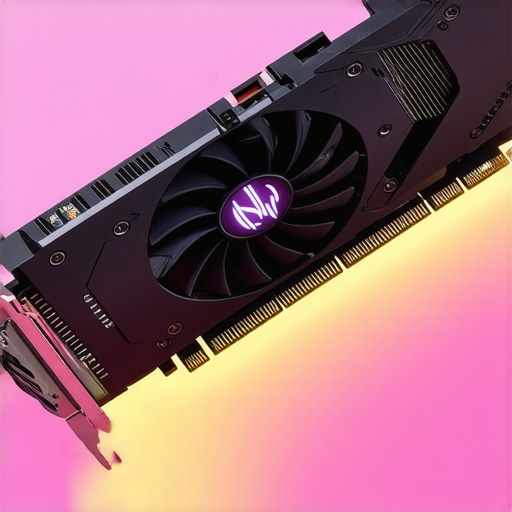
Image prompt: Advanced proxy workflow interface displaying adaptive proxy generation in a professional editing software environment.
Deep Color and HDR Calibration for Ultimate Visual Fidelity
The demand for perfect color reproduction pushes hardware beyond standard specifications. Monitors with 12-bit color depth, quantum dot layers, and wide DCI-P3 or Rec. 2020 color gamuts are now equipped with hardware LUT calibrators, enabling precise mapping of internal color processing to standardized color spaces. Professionals should adopt routine calibration protocols using high-grade colorimeters like the X-Rite i1Display Pro Plus, ensuring consistent performance across lighting environments and project deliverables, particularly when working with HDR content optimized for Dolby Vision or HDR10+ standards.
How do calibration protocols evolve to meet the complexities of immersive color environments?
Calibration methods now incorporate spectral measurements that account for display luminance uniformity, color volume, and viewing environment factors. Advanced calibration software leverages AI models trained on extensive spectral datasets to predict optimal settings, adjusting for aging hardware and ambient conditions. Referring to authoritative studies such as the one from the Society of Motion Picture and Television Engineers (SMPTE) on color management systems offers valuable insights into achieving industry-standard accuracy. Implementing these adaptive calibration strategies becomes essential for ensuring that your color grading output remains reliable across various viewing platforms.
Preparing Your Content Pipeline for Future-Ready Workflows
Integrating hardware advancements with intelligent workflow management forms the backbone of future-proof video production. High-speed data pathways—like Thunderbolt 4, PCIe 5.0 NVMe drives, and 400Gb Ethernet—are facilitating seamless data ingress and egress, supporting collaborative environments with multiple editors and post-production teams. Additionally, adopting workflow automation tools powered by AI can streamline repetitive tasks such as color space conversions, transcode batch processing, and metadata tagging, freeing creative professionals to focus on artistic decision-making.
What strategies can ensure scalability and resilience in high-res video editing infrastructure?
Implementing modular hardware architectures allows for incremental upgrades, preventing obsolescence and budget strain. Cloud-based rendering farms and hybrid local-cloud storage solutions offer scalability, enabling projects with burst capacity demands. Regular backups with version control and redundancy protocols safeguard against data loss, while robust network security practices protect sensitive content. For guidance on deploying such systems, consult industry standards outlined by organizations like SMPTE and the Academy of Motion Picture Arts and Sciences’ Scientific and Technical Awards documentation, which detail best practices for scalable and resilient digital workflows.
Harnessing GPU Power for Tomorrow’s Raw Footage Challenges
As 4K, 8K, and even 12K footage become standard, selecting GPUs that transcend current limitations is crucial. High-end architectures featuring extensive CUDA or Stream processors, coupled with substantial VRAM and dedicated AI cores, empower editors to process complex effects, deep learning-based color grading, and real-time rendering seamlessly. Emphasizing GPU scalability, such as multi-GPU configurations with NVLink or AMD CrossFire, fosters an environment where raw data flows without bottlenecks, enabling efficient post-production workflows at unprecedented resolutions.
What Are the Emerging GPU Technologies That Will Redefine High-Resolution Editing?
Future GPU innovations, like heterogeneous compute paradigms integrating quantum dot-based cooling or photon-based data transfer, promise dramatic improvements in processing speeds and energy efficiency. For detailed insights, consult advanced technical reports from NVIDIA’s GTC or AMD’s Developer Summits, which delve into these cutting-edge developments and their implications for filmmakers and VFX artists.
Refining Proxy Workflows for Complex Creative Pipelines
Beyond simple transcoding, next-generation proxy strategies involve dynamic quality adjustments driven by machine learning algorithms that monitor timeline performance metrics. Adaptive proxies not only optimize playback smoothness but also significantly reduce storage footprints and data transfer overhead. Incorporating AI to predict and pre-render complex effects during idle times can streamline editing sessions, making real-time adjustments feasible even on modest hardware setups.
How Can AI-Assisted Proxy Generation Minimize Creative Interruptions?
Implementing deep learning models trained on diverse footage types enables proxies to anticipate rendering bottlenecks, proactively adjusting quality levels. By integrating cloud-based proxy generation and local caching, editors benefit from uninterrupted workflows. For a comprehensive overview, explore the latest white papers from leading research institutions on adaptive proxy technologies tailored for ultra-high-resolution projects.
Color Calibration Reimagined for HDR and Wide Gamut Displays
Achieving consistency in high-dynamic-range workflows necessitates embracing hardware calibration routines that account for display aging and environmental lighting. Advanced spectral measurement devices analyze display output in real-time, allowing calibration software to automatically fine-tune color profiles. The integration of quantum dot-enhanced displays with hardware LUTs ensures that hues, luminance, and contrast ratios faithfully represent master-grade content, crucial for delivering broadcast-quality visuals.
Can We Trust Monitors Supporting 12-Bit Color in Critical Color Grading?
While hardware claims of 12-bit support are promising, verifying true bit-depth fidelity involves rigorous testing with professional calibration instruments and spectral analysis. Independent evaluations, such as those documented by the Visual Technology Society, affirm that only monitors with comprehensive hardware calibration abilities and uniform luminance distribution can reliably support this color depth. Regular calibration routines—optimally weekly—are essential to maintain fidelity over the monitor’s lifespan.
Building a Future-Ready Content Production Ecosystem
Integrating high-speed data pathways, intelligent workflow automation, and scalable infrastructure forms the backbone of future-proof editing environments. Embracing AI-driven metadata management and workflow orchestration tools allows studios to adapt rapidly to evolving resolutions and formats. Cloud-native storage solutions and collaborative platforms minimize latency, keep content secure, and enhance project turnaround times, positioning professionals to thrive amidst growing content demands.
What Technological Investments Guarantee Longevity in Video Production?
Investing in modular workstations with PCIe 5.0 NVMe storage, 800Gb/s network adapters, and multi-GPU systems ensures scalability. Coupling these with AI-powered project management software and cloud integration creates a resilient, adaptable pipeline capable of handling future innovations. To explore implementations, reference the latest industry standards outlined by SMPTE and recognized academic institutions specializing in digital media workflows.
Expert Insights & Advanced Considerations
Push Beyond VRAM Limits for Future-Proof Editing
As resolutions climb higher, simply increasing VRAM won’t suffice. The latest GPU architectures emphasize bandwidth efficiency and integrated AI cores that optimize real-time processing, making workflow fluidity achievable even with colossal 12K files.
Prioritize AI-Accelerated Tools with Hardware Compatibility
AI-driven color grading and effects emphasize GPUs with tensor cores and compatible software ecosystems. Selecting hardware with native support ensures accelerated performance, essential for meeting tight project deadlines in ultra-high-resolution workflows.
Anticipate Storage Bottlenecks, Not Just Compute Power
Fast, scalable NVMe SSDs combined with intelligent caching strategies mitigate data throughput issues. Future editing studios need to balance GPU power with storage architectures optimized for massive raw footage handling.
Embrace Dynamic Proxy Creations for Seamless Editing
Employ adaptive proxy systems that utilize machine learning to generate optimal proxy quality on-the-fly, reducing processing overhead and enabling smooth playback even with multi-layered, high-resolution sequences.
Calibrate Monitors Using AI-Enhanced Validation Techniques
Leverage calibration tools integrated with AI to regularly adjust displays, ensuring consistent high-bit-depth color fidelity across varying lighting conditions, vital for delivering broadcast-ready HDR content.
Curated Expert Resources
- White paper on 2026 color grading monitors — comprehensive insights into latest display calibration and validation techniques.
- Guide to top AI-compatible GPUs for high-res workflows — detailed GPU performance benchmarks and selection criteria for editors.
- Proxy workflow optimization strategies — proven methods to manage high-resolution timelines smoothly.
- Insights on GPU capacities and emerging bottlenecks — understanding hardware limits in the context of ultra-high-res editing.
- Next-Gen PC configurations — tailored for handling massive data streams efficiently in 2026’s demanding projects.
Final Expert Perspective
Mastering the art of 4K and 8K editing in 2026 requires a strategic eye toward future hardware capabilities and workflow innovation. The most advanced video editing ecosystems seamlessly blend high-performance GPUs, intelligent proxy generation, and ultra-precise calibration tools. Embracing these evolving technologies not only delivers breathtaking visuals but also cements your role as an industry pioneer. Dive deeper into these resources, share your insights, and stay at the forefront—your next masterpiece depends on it.