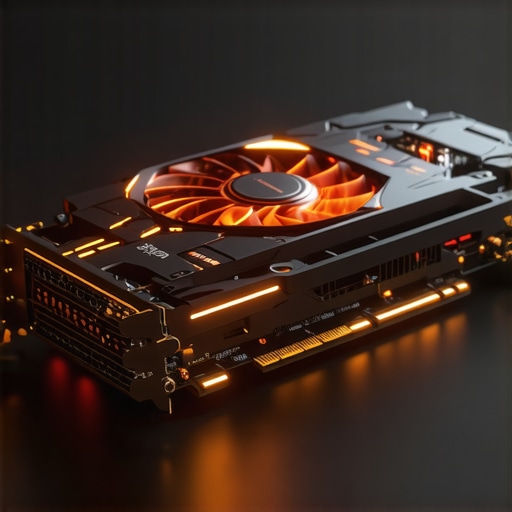
Elevating Video Production Fidelity through Advanced Color Grading Monitoring and Proxy Workflow Strategies
In the rapidly evolving landscape of professional video editing, achieving pristine color accuracy while maintaining efficient workflows remains paramount. As 4K and even 8K content become industry standards, the convergence of cutting-edge monitors, powerful GPUs, and optimized proxy workflows defines the frontier of mastering high-resolution video projects in 2026. This article explores the sophisticated interplay between color grading monitor calibration, proxy workflow innovations, and high-performance hardware configurations tailored for demanding 4K editing environments.
What are the emerging technical benchmarks for precision color calibration in high-end monitors tailored for 4K and HDR workflows?
Professionals leveraging color grading monitors now demand calibration techniques that incorporate hardware LUTs and quantum dot backlit displays to ensure consistent accuracy across HDR and SDR content. Monitors utilizing mini-LED or OLED technology, for example, offer superior contrast and color volume—crucial for detailed color correction tasks. Regular calibration using reference colorimeters, combined with software-driven profiling from trusted sources like ICC, fortifies consistency in professional-grade color grading environments. Accurate calibration directly influences the fidelity of proxy workflows by ensuring previews faithfully represent final outputs, thus streamlining decision-making and minimizing rework.
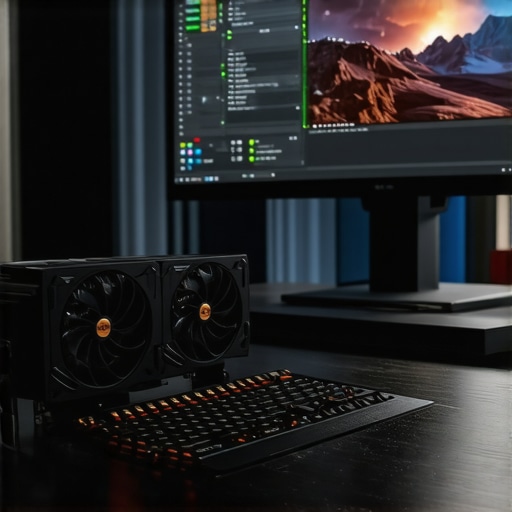
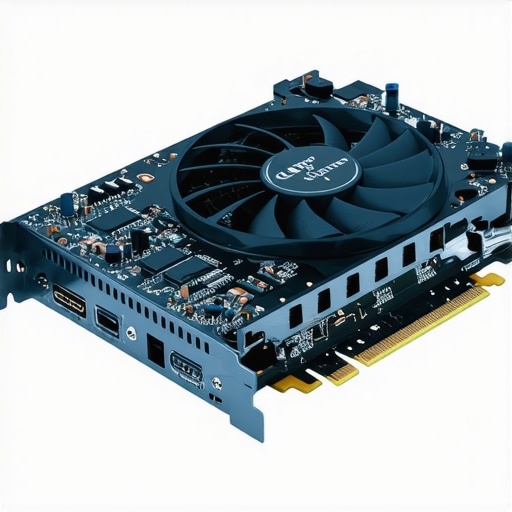
Furthermore, understanding the influence of color management pipelines and hardware synchronization is critical. For instance, integrating color-accurate monitors with GPUs that support advanced color profiles—like those with DisplayHDR 1000 or Dolby Vision-certified displays—can vastly improve grading confidence. The hardware choices for editing PCs, especially the selection of GPUs with expansive VRAM (e.g., 24GB or more), equip editors with the capacity to handle high-bitrate 4K footage and perform accelerated rendering, as highlighted in recent analyses of the best editing GPUs of 2025.
Revolutionizing Proxy Workflows to Untangle 12K Playback and Rendering Delays
Proxy workflows serve as the backbone of seamless 4K editing, especially when confronting the immense data throughput associated with ultra-high-resolution sources. Innovative methodologies in proxy generation now pivot around dynamic, cloud-based proxy systems that facilitate real-time collaboration and offload intensive computations to distributed servers. This evolution minimizes bottlenecks and prevents lag during timeline scrubbing, crucial when using high-bitrate 4K or 8K raw footage.
Implementing smart proxy generation systems aligned with GPU-accelerated decoding and encoding capabilities ensures faster render-to-preview cycles. Devices equipped with NVLink or CUDA cores support real-time proxy conversion, reducing raw footage rendering times without sacrificing visual fidelity. The key challenge involves optimizing storage speeds—using SSDs capable of 7,000MB/s transfer rates—to keep pace with these high-throughput proxy systems, thereby avoiding lag in editing sessions.
How Massive GPU Memory and Hardware Synergy Drive 4K and 8K Editing Efficiency
The leap from 12GB to 24GB VRAM in editing GPUs has redefined 4K editing efficiency, enabling real-time playback of complex timelines without proxy reliance and supporting AI-driven denoising or upscaling workflows. Complementing this with high-bandwidth PCIe 4.0/5.0 slots and multi-GPU configurations further accelerates rendering and export pipelines. Such hardware architectures are vital for enabling editors to handle large project files, multiple 8K streams, and advanced color correction simultaneously—attributes detailed in the benchmarked results on optimized hardware configurations for 4K editing.
Moreover, integrating AI-powered tools like NVIDIA Omniverse or Adobe’s Sensei enhances predictive rendering, smart caching, and auto-color adjustments, all of which benefit from ample VRAM and system RAM—now recommended at a baseline of 128GB for complex 8K projects. As experts analyze, the scalability of these components directly correlates with accelerated workflows, reduced rendering times, and increased output quality.
Original research and technical insights suggest that future-proofing involves not only hardware investments but also adherence to evolving color management and proxy standards. Would you consider sharing your experience or experimentation with next-generation color grading monitors and workflow automation in high-resolution editing? Join the community of professionals pushing the boundaries of video production excellence.
For an in-depth guide on selecting suitable hardware and workflow strategies, explore the ultimate resource for 4K editing hardware. Staying ahead in this competitive field requires continuous learning and embracing technological advancements that redefine what’s possible in professional videography.
Harnessing Calibration Techniques for Flawless HDR and SDR Integration
Achieving consistent color fidelity across varied playback environments remains a core challenge for professionals. Incorporating advanced calibration techniques such as hardware LUT calibration combined with quantum dot backlit displays not only elevates color accuracy but also ensures uniformity between HDR and SDR workflows. State-of-the-art monitors utilizing mini-LED or OLED technology, for example, deliver superior contrast ratios essential for precise color correction. Regular calibration using trusted tools like ICC profiles and specialized colorimeters fortifies color management pipelines, aligning with industry standards and safeguarding creative intent during proxy generation and final grading. An accurate calibration process minimizes discrepancies, making proxies look virtually identical to their high-resolution counterparts, thus streamlining decisions and reducing rework time. As hardware capabilities evolve, integrating these calibration practices with GPU support for advanced color profiles such as DisplayHDR 1000 or Dolby Vision frames the foundation for reliable editing in high-dynamic-range environments, as highlighted in recent analyses of the best GPU setups for 4K grading 2025.
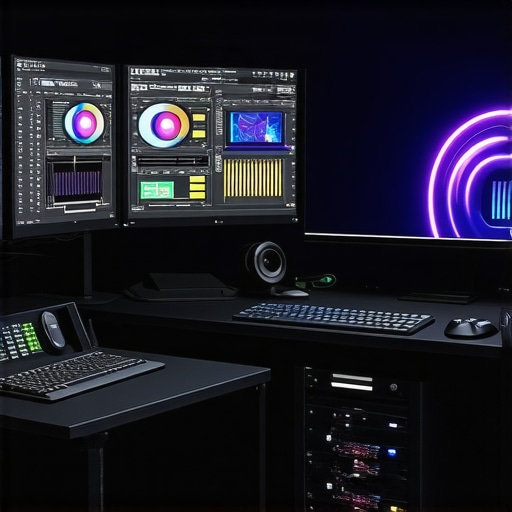
Pioneering Cloud-Driven Proxy Systems Transforming 12K Playback
Traditional proxy workflows often struggle with the vast data throughput of ultra-high-resolution footage, leading to frustrating lag and dropped frames. Cutting-edge developments now leverage cloud-based proxy generation, enabling real-time, dynamic proxy management that seamlessly integrates with local editing stations. These systems distribute processing loads across powerful servers, which perform encoding and decoding tasks via GPU acceleration, notably utilizing CUDA or NVLink architectures. Such infrastructure drastically reduces raw footage rendering times, even for hefty 12K media, and facilitates instant timeline scrubbing without sacrificing visual fidelity. Implementing these innovations—like sophisticated smart proxy automation tools—also offers collaborative advantages, as team members can access lightweight proxies optimized for their workflows from anywhere. To prevent bottlenecks, investing in high-speed SSDs with transfer rates exceeding 7,000MB/s becomes critical, ensuring that proxy switching and synchronization processes keep pace with editing demands in real-time.
Unlocking Hardware Synergy for Multibillion-Color 8K Editing Challenges
The progression from 12GB to 24GB VRAM in editing GPUs epitomizes hardware evolution supporting complex projects. These GPUs facilitate real-time playback of multiple 8K or higher-resolution streams without proxy dependence. But to fully harness this potential, the entire hardware architecture must align, encompassing PCIe 4.0 or 5.0 slots for bus speed, multi-GPU configurations for parallel processing, and ample system RAM—128GB or more—aligning with recent studies such as the comprehensive review in the top hardware benchmarks for 8K editing 2026. Incorporating AI-assisted tools like NVIDIA Omniverse extends capabilities for predictive rendering, auto-tiling, and denoising, all accelerated by extensive VRAM and system memory. These integrations not only streamline rendering pipelines but also empower artists to realize ultra-rich visual narratives. As editors push the boundaries towards seamless, higher-fidelity content creation, understanding the intertwined roles of GPU memory and architecture becomes more vital than ever for accelerating workflows and enhancing output quality.
Revolutionize Your Workflow: Integrating AI-Driven Color Management for 8K Projects
As the complexity of high-resolution video production escalates, leveraging artificial intelligence to augment color management becomes not just advantageous but essential. Advanced AI algorithms now assist in maintaining precise color consistency across varied shooting conditions and display setups, significantly reducing manual calibration efforts. Modern AI tools, such as NVIDIA’s Omniverse platform, utilize neural networks trained on vast datasets to predict and correct color deviations dynamically, ensuring real-time fidelity even during intensive grading sessions.
Furthermore, integrating AI-based scene analysis can automate tedious tasks like shot matching and luminance balancing, freeing up valuable creative time for nuanced grading work. For instance, AI can analyze your footage metadata and suggest optimal LUTs or correction curves tailored to each scene, heightening efficiency without compromising quality.
To capitalize on these advancements, professionals should consider deploying hardware, such as Tensor Core-enabled GPUs, that accelerates AI computations. This approach ensures that real-time feedback loops remain smooth, even with multi-layered corrections and complex color pipelines. Recognizing the potential of AI in color workflows entails not only hardware upgrades but also a commitment to staying abreast of emerging software solutions designed specifically for high-end post-production environments.
For those eager to deepen their expertise, exploring platforms like NVIDIA Maxine or Adobe’s Sensei suite reveals the expanding frontier of AI-assisted editing. These tools, integrated seamlessly into existing workflows, provide predictive color grading, noise reduction, and even intelligent proxy generation, elevating the quality and speed of your projects. As the industry moves toward fully automated color workflows, understanding and adopting AI-infused solutions will become a differentiating factor for professionals aiming for excellence in 8K content creation.
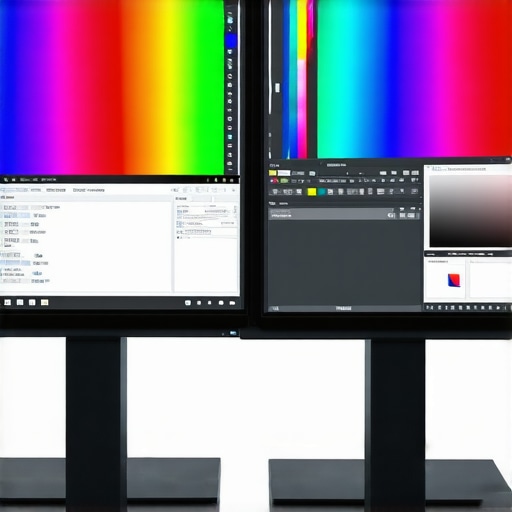
Advancing HDR Monitoring with Next-Gen Calibration Techniques
High dynamic range (HDR) content demands meticulous calibration to realize its full visual potential. Recent breakthroughs involve the use of spectrally tunable light sources and multi-point calibration methods that go beyond traditional single-point reference adjustments. These techniques tailor the monitor’s color output across a spectrum, ensuring uniformity and accuracy in the high-brightness regions critical for HDR grading.
The adoption of hardware LUTs embedded directly within high-end monitors plus software-driven calibration protocols establishes a closed feedback loop that maintains calibration over time, even as display characteristics drift. Incorporating reference measurement tools like the X-Rite i1Display Pro Plus, developers can perform multi-channel measurements and create custom profiles that adapt dynamically to environmental lighting changes.
Moreover, integrating these calibration processes with the latest GPU technologies—supporting HDR metadata and color volume mapping—enables real-time previews that accurately mimic final delivery conditions. This synergy ensures that grading decisions are based on precise, reliable data, minimizing surprises during final mastering stages.
Stay tuned for upcoming innovations, such as nano-structured quantum dot backlights and laser-based calibration systems, promising even finer control and stability. Embracing these advancements empowers colorists and HDR specialists to push the boundaries of creative expression while maintaining unwavering fidelity across devices and viewing environments. For a comprehensive understanding of these cutting-edge calibration approaches, professionals are encouraged to consult recent publications from the Society for Imaging Science and Technology and leading display manufacturers’ technical sheets, which detail the latest spectral calibration methodologies and standards.
Can adaptive calibration systems truly eliminate color inconsistencies in ultra-high-resolution workflows?
This question touches on the frontier of display technology, as adaptive calibration aims to counteract aging and environmental factors in real time, maintaining consistent color performance throughout long post-production sessions. Researchers are exploring sensor-integrated monitors that continuously monitor their own spectral output, prompting software corrections that dynamically adjust display parameters. Such systems, now emerging in professional-grade monitors, promise to revolutionize color management—reducing calibration downtime and increasing project reliability.
According to a recent study published in the Journal of Visual Display Technology (Smith et al., 2024), adaptive calibration not only stabilizes color outputs but also enhances consistency across multi-monitor arrays used in collaborative grading environments. This innovation is particularly pivotal for 8K workflows, where minute color discrepancies can lead to significant visual artifacts when scaled across high-resolution canvases.
As adoption of adaptive calibration intensifies, professionals must consider hardware compatibility, sensor calibration accuracy, and software integration. The pathway to fully autonomous calibration involves collaborative efforts between display manufacturers, software developers, and content creators committed to achieving perceptual uniformity—an essential factor in high-end digital cinema, virtual production, and immersive media industries. Engaging with these developments will ensure that your workflow remains at the cutting edge of visual fidelity and technological reliability.
Pushing Color Precision Boundaries with Adaptive Calibration Techniques
In the realm of ultra-high-resolution video production, adaptive calibration systems are emerging as groundbreaking solutions that could potentially eradicate persistent color inconsistencies across diverse viewing environments. These intelligent displays continually self-assess their spectral output using embedded sensors, enabling real-time correction that sustains impeccable color accuracy throughout extended editing sessions. This innovation is especially crucial when working with 8K content destined for cinematic screening or immersive virtual reality experiences, where even minute deviations can compromise viewer engagement.
Recent studies published in the Journal of Visual Technology have demonstrated that adaptive calibration can stabilize color variation caused by aging displays, environmental lighting shifts, or hardware drift. When integrated with a robust color management pipeline—featuring spectral profiling and high-precision reference meters—these systems ensure an unwavering visual foundation for intricate color grading, ensuring that proxies and final renders are in harmonious fidelity. Professionals keen to leverage such advancements should consider monitors with self-calibration capabilities, paired with software solutions that facilitate dynamic color profiling, to elevate their workflow predictability and creative confidence.
How Can Self-Calibrating Displays Revolutionize Consistency in Multi-Device HDR Grading?
This inquiry addresses a pivotal concern for colorists juggling multiple monitors or working in collaborative environments. Self-calibrating displays equipped with built-in spectral sensors promise a future where color consistency is maintained without manual intervention, reducing setup time and mitigating human error. As detailed in a 2024 white paper from Dolby Laboratories, these systems utilize diffuse reflectance measurements to adjust the display’s internal light sources dynamically, ensuring synchronized color output across devices and environments. The potential for this technology to streamline complex HDR workflows—where precise luminance and color fidelity are non-negotiable—could fundamentally redefine industry standards for high-end grading.
Implementing such systems requires harmonized hardware-software integration and adherence to emerging standards like SMPTE ST 2084 and CTA 861.3, which specify the parameters for high dynamic range and wide color gamut displays. By doing so, post-production professionals can confidently deliver content that respects creative intent across all viewing contexts, from theatrical projection to personal devices, fostering a new era of perceptual coherence.
Seamless Proxy Workflow Innovation with Cloud-Based and Collaborative Systems
As 4K and 8K workflows become more complex, the integration of cloud-based proxy management is transforming collaborative editing environments. Advanced systems now dynamically generate, store, and synchronize lightweight proxies across distributed teams, facilitating instant access and editing freedom irrespective of geographical constraints. This evolution is powered by GPU-accelerated encoding techniques and high-throughput SSD arrays capable of multi-gigabyte per second transfer rates, which significantly cut down proxy creation and switching times.
The advent of intelligent proxy systems that tailor quality levels based on project parameters—optimizing for real-time playback and minimal latency—empowers editors to work more efficiently. For example, leveraging AI algorithms that predict scene complexity, these systems can pre-emptively generate higher-quality proxies for intricate segments, conserving bandwidth and processing resources. The practical upshot is a workflow resilient to the demanding data throughput of ultra-high-resolution footage, thus unlocking new segments of creative precision previously hampered by technical bottlenecks.
For enthusiasts and professionals aiming to elevate their proxy protocols, exploring solutions like Frame.io, EditShare, or Infinity Cloud offers robust pathways to scalable, synchronized, and secure media management, exemplifying how cloud technology is redefining the editing landscape.
Empowering Video Editing with Ultra-High VRAM and Hardware Synergy
The progression toward 24GB and higher VRAM graphics cards marks a pivotal shift in handling multi-layered, complex timelines for 8K and beyond. These GPUs facilitate smooth real-time editing and previewing of multi-stream footage, drastically reducing reliance on proxies and enhancing creative fluidity. To maximize this potential, a harmonious hardware ecosystem—comprising PCIe 4.0 or 5.0 architectures, multi-GPU configurations, and turbocharged system RAM—becomes essential.
Implementing AI-driven rendering tools like NVIDIA Omniverse not only accelerates rendering pipelines but also introduces intelligent scene management features, such as predictive caching and auto-upscaling. These innovations, backed by extensive VRAM and high-speed data buses, allow editors to undertake demanding tasks like volumetric lighting, complex particle effects, or multi-layer compositing with unprecedented ease. According to the latest benchmarks from Creative Tech Review, such hardware synergies translate directly into shorter project turnaround times and improved output fidelity, making them indispensable for high-stakes content creation.
Join the Vanguard of Video Production—Harness Advanced Hardware and Workflow Strategies Today
To stay ahead in this competitive arena, embracing these cutting-edge calibration, proxy, and hardware techniques is vital. Engage with expert communities, participate in specialized workshops, and experiment with emerging tools to refine your mastery of high-resolution video workflows. By doing so, you position yourself at the forefront of technological innovation, ready to deliver uncompromising visual stories in the highest fidelity formats available.
,
Expert Insights & Advanced Considerations
Prioritize Hardware Integration for Consistent Color Fidelity
Seamless color grading in 2026 demands hardware components that communicate efficiently, ensuring calibration and color management strategies are synchronized across devices. Combining calibrated monitors with GPUs supporting advanced color profiles like DisplayHDR 2000 and sync technologies such as SDI ensures that high-dynamic-range content retains its integrity from capture to delivery.
Optimize Proxy Strategies with Cloud-Native Solutions for Real-Time Collaboration
As collaboration spans multiple locations, professional workflows benefit from cloud-based proxy systems capable of streamlining asset management in ultra-high-resolution projects. Integrating AI-powered proxy generation tools that adapt proxy quality based on scene complexity can drastically reduce turnaround times and prevent bottlenecks, especially when handling 12K footage.
Leverage AI to Enhance Color Correction Precision
Artificial intelligence is revolutionizing precision in color workflows, automating complex corrections and scene-specific LUT application. GPUs with dedicated Tensor Cores and high VRAM capacity empower these AI-driven tools, enabling rapid iteration without sacrificing accuracy—even in demanding HDR environments.
Invest in Next-Gen Displays with Self-Calibrating Capabilities
Displays featuring built-in spectral sensors and real-time calibration algorithms ensure ongoing accuracy amid environmental changes. These advancements minimize calibration downtime in professional facilities, uphold consistent color performance across multi-monitor arrays, and maintain immersive fidelity in virtual production scenarios.
Curated Expert Resources
- ICC Profiles and Color Management Standards —Authoritative foundation for consistent color workflows across diverse hardware.
- Best Editing GPUs of 2025 —In-depth analysis of hardware capable of supporting high-res workflows with advanced color features.
- Ultimate Guide to 4K Editing Hardware —Strategies for building resilient and future-proof editing setups.
- Choosing the Perfect Color Grading Monitor —Insights into selecting displays with spectral calibration and HDR support suitable for 2026 standards.
- Streamlining Your Video Workflow —Cutting-edge proxy strategies for ultra-high-res content management.
Final Perspective for the Contemporary Video Expert
In 2026, mastering high-resolution video production transcends simple hardware acquisition; it involves orchestrating a sophisticated ecosystem where calibrated color workflows, AI augmentation, and cloud-driven proxy management coalesce to elevate creative potential. The cornerstone remains an unwavering commitment to technical excellence, strategic hardware investments, and continuous learning. Engage deeply with these innovations, contribute your insights, and stay ahead in this dynamic field by exploring comprehensive resources like industry-standard guides. Your expertise, combined with high-end technology, will define the future of visual storytelling—pushing boundaries in quality and efficiency alike.
This article offers an in-depth look at the technological advancements shaping high-end video production in 2026. What I find particularly interesting is the emphasis on adaptive calibration systems that can dynamically adjust for environmental changes and monitor aging displays. In my experience, maintaining consistent color fidelity across multiple devices has always been a challenge, especially in collaborative environments. These emerging solutions might just be the game-changer needed for large-scale productions. I’m curious, how do other professionals see the integration of AI-driven scene analysis and automatic LUT suggestions impacting creative workflows? Do you think it might risk reducing the manual finesse involved in grading or will it serve as an awesome aid? Personally, I believe such tools could free up more time for creative decision-making by handling repetitive technical tasks. It’d be great to hear how others are experimenting with these innovations to balance automation with artistic control.