Elevating Professional Video Production Through Advanced Hardware and Workflow Optimization
In the rapidly evolving landscape of digital content creation, the demand for seamless 4K video editing has never been higher among professionals. Achieving smooth playback and efficient rendering in high-resolution projects necessitates not only powerful hardware but also intelligent workflow strategies, such as proxy editing and color monitoring advancements. This article explores the critical components that underpin a cutting-edge editing setup, focusing on the synergy between high-performance PCs, specialized GPUs, and calibrated color grading monitors.
The Role of Powerful Hardware in 4K Editing Environments
Why is GPU choice pivotal for professional video editing?
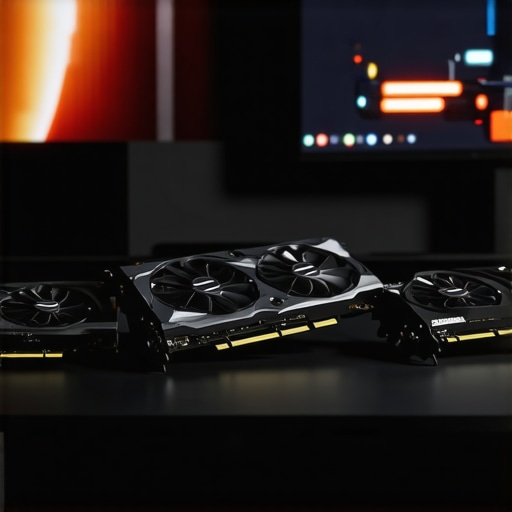
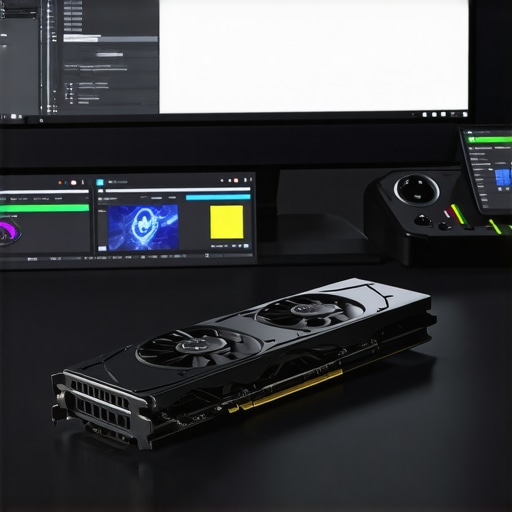
Choosing an appropriate editing GPU directly influences rendering times, real-time playback, and the capacity to handle complex visual effects. For instance, GPUs with dedicated 48GB VRAM are increasingly becoming the standard for 4K and even 8K workflows, as they mitigate bottlenecks associated with less capable cards. High VRAM capacities enable handling of massive frame buffers and intensive color grading tasks without compromising performance, thus streamlining professional post-production pipelines.
Complementing the GPU, a robust PC hardware configuration—including multi-core processors, NVMe SSD storage, and ample RAM—ensures a balanced environment where data throughput and processing power align with project demands. Such hardware not only accelerates rendering and export processes but also sustains stable performance during prolonged editing sessions.
Proxy Workflow: Unlocking 4K Editing Efficiency
How does proxy editing revolutionize high-resolution workflow management?
Proxy workflows serve as a cornerstone for managing the formidable data sizes intrinsic to 4K projects. By creating lower-resolution copies of original footage, editors can manipulate timelines more fluidly while preserving the integrity of the high-resolution masters. This approach significantly diminishes system lag and renders the editing experience akin to working with full-resolution files, but with vastly reduced computational load.
Recent advancements have optimized proxy generation with hardware-accelerated proxy creation, allowing real-time toggling and minimal workflow disruption. Integrating proxy workflows with efficient storage solutions—like dedicated SSD caches—further enhances throughput, ensuring professionals maintain high productivity levels even with complex 4K or 12K workflows.
Color Grading Monitors: The Final Touch for Visual Fidelity
What distinguishes a professional-grade color grading monitor in 2026?
Color grading in 4K and beyond demands monitors calibrated for color accuracy and HDR content reproduction. Ultra-high-resolution displays, such as 5K and 6K models, with wide color gamuts (DCI-P3, Rec. 2020), ensure viewers experience the artist’s intended palette. An optimal monitor configuration features hardware calibration tools and supports hardware LUTs to maintain consistent color fidelity across sessions.
For professionals engaged in color-sensitive tasks, reference-grade monitors embedded with mini-LED or OLED technologies offer superior contrast ratios and dynamic range, critical for HDR workflows. When paired with high-end GPUs optimized for color processing, these displays enable precise grading and seamless integration into production pipelines.
Are Next-Gen Editing GPUs Ready for 12K and Beyond?
The surge in high-resolution content demands more from current GPU architectures. As detailed in recent analyses, VRAM capacity and tensor core efficiency are increasingly vital factors. The latest models promise better performance in AI-driven effects, denoising, and upscaling, but they often necessitate substantial investments. The crucial question for professionals remains: Is your current hardware future-proof for the upcoming 8K, 12K, or even 16K workflows?
Staying informed through authoritative sources—such as white papers published by NVIDIA or AMD—can guide upgrade cycles and workflow adaptations, ensuring ongoing compatibility and productivity in content creation.
How can content creators prepare for the hardware challenges of 2026?
Adopting scalable hardware architectures, focusing on modular upgrades, and emphasizing efficient workflow integration are essential strategies. As the field advances, engaging with online professional communities and contributing insights can accelerate innovation and problem-solving, fostering a resilient creative ecosystem.
If you wish to deepen your understanding of these strategies or share your experience, explore our contact page for expert discussions. Continuous education and peer collaboration remain indispensable for staying at the forefront of high-end video production technology.
Designing a Modular Editing Powerhouse for Tomorrow’s Demands
As the landscape of digital content creation accelerates towards even higher resolutions like 8K and 12K, workflows must adapt with flexible and scalable hardware configurations. Moving beyond static systems, professionals should prioritize modular architectures that facilitate easy upgrades—be it adding additional VRAM, expanding storage solutions, or integrating next-generation GPUs. This approach not only extends the lifespan of your investment but also ensures compatibility with emerging technologies, such as AI-enhanced editing tools and real-time ray tracing capabilities.
What Are the Hidden Bottlenecks in High-Resolution Editing Setups?
While substantial GPU power and high-bandwidth storage are commonly emphasized, other system components play pivotal roles in maintaining seamless workflows. For example, the efficiency of data buses (like PCIe 5.0 vs. PCIe 4.0), the quality of cooling solutions for high-performance hardware, and even power supply stability can impact overall performance. Neglecting these aspects can lead to thermal throttling, reduced throughput, and system crashes—especially during intensive rendering or real-time playback of massive high-res files. Consulting dedicated hardware optimization guides helps identify and mitigate these invisible barriers.
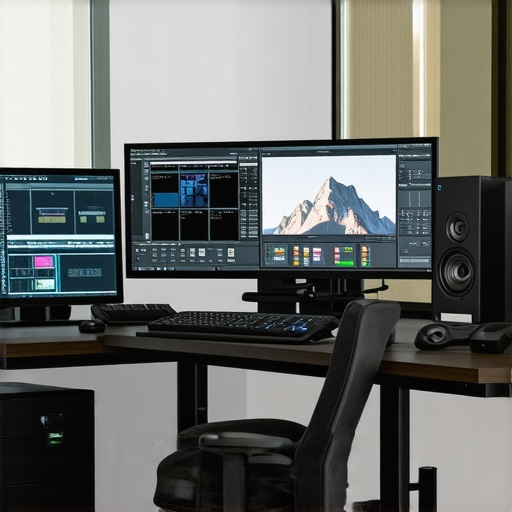
Crafting a Color-Accurate Environment with Future-Ready Monitors
Achieving consistency in color grading demands not only top-tier displays but also an understanding of emerging calibration techniques. Newer models incorporate hardware calibration sensors, allowing real-time adjustments that compensate for environmental variations. Furthermore, high-dynamic-range (HDR) workflows benefit immensely from these advances, providing wider color gamuts and contrast ratios. As technologies evolve, integrating firmware and calibration routines compatible with standards like Dolby Vision or HDR10+ becomes crucial. Professionals should consider monitors that support open-source calibration profiles, enabling customization tailored to specific project needs.
Is Your Editing Ecosystem Ready for 12K VR and AR Content?
The rise of immersive media implies that future workflows will encompass not only traditional video but also 360-degree VR and augmented reality projects. These demand unprecedented data throughput and rendering capabilities. To support such endeavors, hardware developers are advancing AI-accelerated rendering engines and integrating hardware-optimized codecs. Staying informed through authoritative industry insights—such as those provided in the latest analyses on VR hardware—is vital for strategic upgrades.
Expert Tip: Regularly evaluate your pipeline’s bottlenecks using benchmarking tools like real-world performance benchmarks, ensuring that your hardware keeps pace with rapidly advancing demands. Engage with peer communities and contribute your findings to collectively elevate industry standards and innovation.
If you seek tailored advice on building a future-proof editing environment or wish to discuss emerging trends, visit our contact page for expert support. Embracing continuous adaptation remains the key to thriving in the fast-evolving realm of digital content creation.
Harnessing AI to Tackle Mammoth 8K Files in Post-Production
With the explosion of ultra-high-definition content, artificial intelligence (AI) emerges as a game-changer in streamlining workflows. AI-driven tools for noise reduction, upscaling, and real-time transcoding dramatically reduce rendering times, freeing editors to focus on creative decision-making. For instance, integrating NVIDIA’s Video Suite with proprietary AI algorithms can accelerate denoising of raw footage, enabling smoother previews and faster turnaround. The challenge lies in selecting and customizing AI models aligned with specific project needs, which requires an in-depth understanding of both the technology and the content’s artistic intent.
What Are the Critical Factors for Ensuring Seamless Multi-Resolution Editing?
High-end workflows often involve working with multiple resolution streams — SDI 4K, proxy 720p, master 8K, and more. Achieving synergy among these layers hinges on advanced data management strategies and hardware interoperability. For example, Network-Attached Storage (NAS) systems equipped with multi-gigabit Ethernet switches enable rapid access to large media assets. Additionally, using multi-threaded decoding and encoding pipelines within editing applications ensures that resolution disparities don’t bottleneck the editing process. The key lies in balancing data bandwidth, storage speed, and software optimization to enable editors to switch resolution contexts fluidly without sacrificing precision or speed.
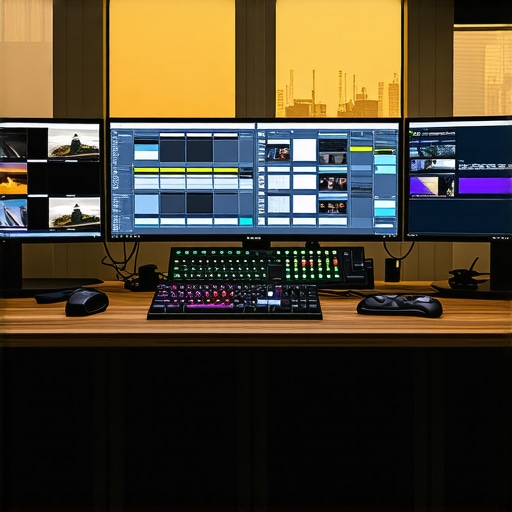
Delving into Color Fidelity in HDR and Dolby Vision Workflows
High dynamic range (HDR) content delivers unparalleled visual realism but demands rigorous calibration and color management. Professionals must understand the nuances of color spaces such as Rec. 2020 and PQ (Perceptual Quantizer) transfer functions, ensuring their workflows preserve fidelity from acquisition to delivery. Expert-grade color management incorporates hardware LUTs, which, synchronized with high-fidelity calibration devices, provide consistent color across displays. Moreover, editing in Dolby Vision profiles necessitates tailored mastering environments that adhere to strict metadata management, enabling content to adapt seamlessly across devices. Mastering these workflows requires not only precise hardware but also an intimate knowledge of color science principles and standards compliance.
How Future-Proof Is Your Editing Setup Against Accelerated Technological Change?
Hardware advancements, especially in GPU architecture and storage technologies, evolve at a rapid clip. Building a flexible, modular system allows professionals to upgrade key components—like swapping out GPUs for models with larger VRAM or integrating NVMe SSDs with higher throughput—without overhauling the entire setup. Staying ahead involves continuous monitoring of industry benchmarks and participating in professional testing protocols. For example, NVIDIA’s latest RTX series offers enhanced ray tracing and AI capabilities tailored for post-production, so aligning investments with upcoming software requirements is crucial. Developing a strategic roadmap that includes scheduled upgrades, supplier relationships, and ongoing education can significantly extend your operational lifespan and productivity.
Deciphering the Complexities of Real-Time 12K VR Rendering
The ambitious push toward immersive experiences demands that content creators understand the intricacies of real-time rendering at unprecedented resolutions. Rendering engines leveraging hardware-accelerated ray tracing and AI denoisers are becoming indispensable here. These tools help manage lighting calculations and surface reflections with remarkable speed, yet they are heavily dependent on hardware optimized for parallel processing. Achieving fluid VR 12K playback thus hinges on high-bandwidth PCIe 5.0 or newer, paired with GPUs featuring at least 80GB VRAM, to handle massive texture maps and environment datasets. To prevent performance bottlenecks, developers often utilize distributed rendering approaches, dividing workloads across multiple workstations via high-speed networks. Embracing this paradigm necessitates both robust hardware and a profound understanding of rendering algorithms tailored to immersive media.
Interested in mastering these avant-garde workflows? Our detailed guides and expert consultations can help you navigate the complex landscape of next-generation content creation—reach out through our contact page.
How Can Adaptive Storage Technologies Propel 8K and 12K Video Projects?
The exponential growth of ultra-high-definition content necessitates storage solutions that are not just fast but also scalable and resilient. NVMe SSDs with PCIe 5.0 interfaces are revolutionizing data throughput, reducing caching bottlenecks during live editing and rendering. Furthermore, integrating software-defined storage arrays with multi-layered redundancy ensures data integrity and rapid access across collaborative environments. Embracing these adaptive storage architectures guarantees that your infrastructure keeps pace with increasing file sizes and complexity, ultimately translating into smoother workflows and faster project turnaround times.
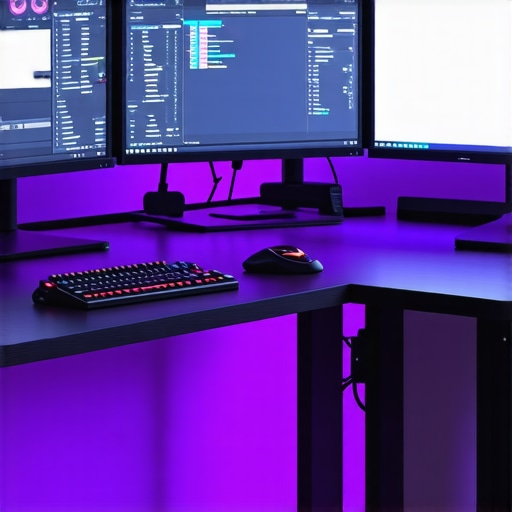
What Makes Real-Time Color Correction a Cornerstone for Creative Flexibility?
In high-end post-production, the ability to perform real-time color grading without compromising accuracy has become indispensable. Hardware-accelerated color grading cards, leveraging OpenCL or CUDA frameworks, offload intensive color computations from the CPU, enabling instant preview and iterative adjustments. When coupled with high-fidelity, hardware-calibrated displays that incorporate Nova or GamutSync technologies, professionals can achieve precise visual fidelity across all project stages. This synergy empowers editors and colorists to experiment confidently, knowing their adjustments are represented accurately and instantly, thereby accelerating the creative process.
Can AI-Enhanced Workflow Automation Bridge the Gap in Ultra-High-Definition Editing?
Artificial intelligence-driven tools are rapidly transforming the landscape of 4K and higher-resolution editing. Advanced AI models can automate tedious tasks such as scene detection, shot tagging, and media organization, significantly reducing pre-production overhead. Moreover, machine learning algorithms trained on vast datasets assist in intelligent upscaling, noise reduction, and even automatic color matching across disparate footage sources. Implementing these AI solutions demands a nuanced understanding of their capabilities and limitations, but they hold the potential to dramatically elevate efficiency, consistency, and creative freedom in demanding post-production environments.
Interested in integrating these cutting-edge tools? Reach out through our contact page for detailed consultations and strategic guidance.
Architecting a Future-Ready Editing Suite for Immersive Technologies
With the advent of 8K VR and AR content, establishing an adaptable, modular editing environment becomes crucial. High-performance workstations equipped with scalable PCIe gen 5 slots, high-bandwidth RAM buffers, and dedicated AI acceleration modules prepare creators for real-time rendering of complex immersive scenes. Additionally, integrating advanced optical and spatial audio modules ensures a holistic experience in finalized projects. Such forward-thinking configurations not only accommodate existing workflows but also seamlessly adapt to emerging demands like volumetric video and live interactive environments, securing your creative edge in the evolving digital landscape.
Choosing the Optimal Calibration Ecosystem for Consistent Visuals
Color accuracy is non-negotiable in professional grading and mastering workflows. Hardware calibration tools that support multi-point, multi-environment profiling facilitate consistent accuracy across different lighting conditions. The integration of spectral calibration sensors with software like CalMAN or DisplayCAL enhances precision, especially when working with wide-gamut HDR displays supporting Dolby Vision standards. These systems enable content creators to maintain uniformity in color representation, minimizing discrepancies during delivery across diverse viewing platforms. Establishing such a calibrated environment guarantees that your artistic vision translates flawlessly to end-users, regardless of device or medium.
Anticipating Hardware Breakthroughs for Next-Generation Content Creation
The rapid pace of technological innovation suggests that upcoming GPU architectures with enhanced tensor cores, combined with ultra-fast memory interfaces, will redefine what is feasible in high-res video editing. Staying ahead requires continuous engagement with industry white papers, beta programs, and professional testing initiatives from leaders like NVIDIA, AMD, and Intel. Strategic planning—favoring upgrade pathways that emphasize modularity and compatibility—ensures your ecosystem remains viable in the face of lightning-fast advancements, safeguarding your investment and creative capabilities for years to come.
For expert insights tailored to your specific setup and projects, consult our contact page. Embrace the future of digital storytelling with informed confidence and agile infrastructure.
Expert Insights & Advanced Considerations
Push Workflow Boundaries with AI Optimization
Integrating AI-driven tools into your editing pipeline can dramatically reduce processing times and enhance creative flexibility, especially for complex 4K projects. Leveraging machine learning for tasks such as automated scene recognition and intelligent upscaling empowers professionals to focus more on artistic decisions, fostering innovation and productivity.
Prioritize Modularity for Longevity
Designing a modular hardware setup ensures seamless scalability as technology evolves. By selecting components that support easy upgrades—like additional VRAM modules or high-speed storage solutions—editors can future-proof their environment against the rapid advancements in resolution and processing demands.
Calibrate for True Color Fidelity
Accurate color representation remains essential for professional workflows. Employing hardware calibration sensors combined with advanced software guarantees consistent visual standards across displays, enabling precise grading and ensuring your creative vision translates flawlessly across viewing platforms.
Harness Next-Gen GPU Capabilities
Emerging GPUs with increased VRAM and tensor core enhancements are redefining real-time playback and rendering speeds. Regularly reviewing industry white papers and benchmarks equips professionals to select hardware that keeps pace with demanding content creation, especially as resolutions push beyond 8K.
Implement Efficient Proxy Strategies
Optimizing proxy workflows, with hardware-accelerated creation and intelligent toggling, can significantly streamline editing of massive 4K datasets. This approach maintains system responsiveness and accelerates turnaround times, enabling editors to work creatively without hindrance.
Curated Expert Resources
- Ultimate Proxy Workflow Guide – A comprehensive resource on mastering proxy management for high-resolution projects, emphasizing hardware integration and workflow efficiency.
- Top Color Grading Monitors in 2026 – Essential reading for understanding hardware calibration and display standards to ensure consistent, accurate visuals.
- Why 48GB VRAM Matters – An authoritative analysis on GPU selection aligned with future-proofing high-resolution workflows.
- HDR and Dolby Vision Calibration Secrets – Deep dive into mastering display calibration for HDR workflows, critical for professional grading.
- Performance Benchmarks for 4K Editing PCs – Data-driven insights to choose hardware that meets the high demands of 4K and beyond.
Final Perspective for the Innovators
In the realm of high-end video editing, leveraging advanced hardware and refined workflows unlocks new creative horizons, especially as resolutions soar into 8K and 12K territories. Critical to success is strategic planning—embracing modularity, calibration precision, and AI integration—to future-proof your setup. Staying informed through industry-grade resources ensures you’re not merely keeping pace but leading innovation. For professionals committed to excellence, this continual evolution isn’t just a challenge; it’s an invitation to redefine the art of visual storytelling. Engage with our expert community or explore detailed guides to elevate your mastery and stay ahead of the curve in 4K video production.