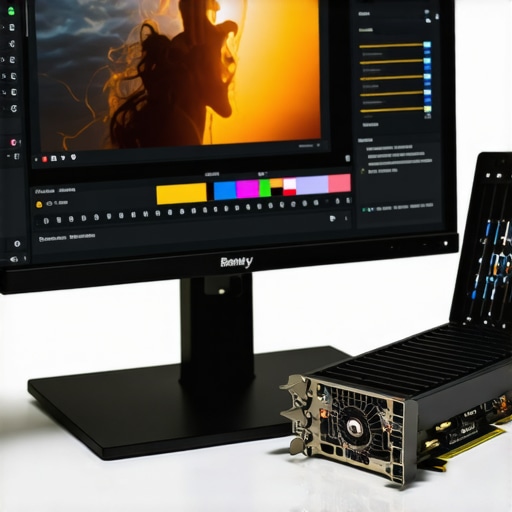
Elevate Your Video Production with Expert-Driven PC and Hardware Choices
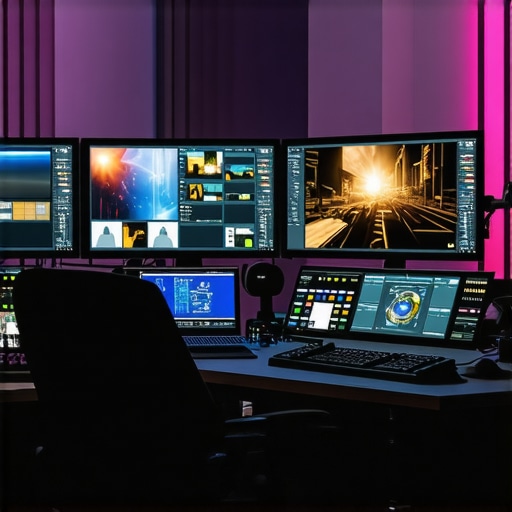
In the competitive world of professional video editing, especially when working with high-resolution 4K footage and intricate color grading, selecting the right hardware is paramount. A meticulously curated video editing PC integrated with the optimal editing GPU and high-fidelity color grading monitor can dramatically enhance workflow efficiency, output quality, and creative flexibility.
Designing a Workflow that Combines Power and Flexibility
Modern proxy workflow techniques are revolutionizing 4K editing by enabling seamless handling of large files without taxing system resources. This approach relies heavily on a robust GPU and fast storage solutions, ensuring real-time playback and instant rendering. When paired with a capable PC, editors can navigate complex timelines with minimal lag, preserving creative momentum.
Choosing the Right Hardware for 4K and Color Fidelity
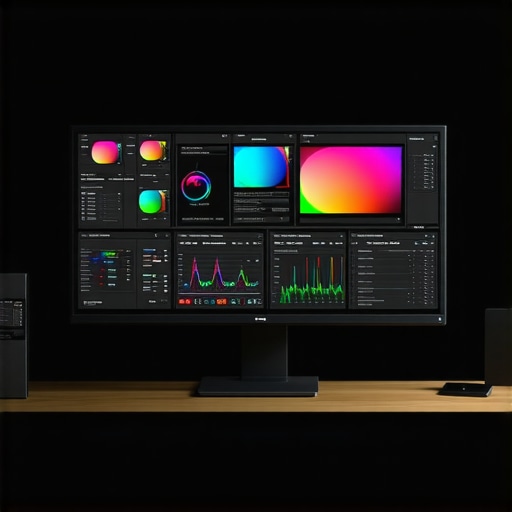
High-end editing GPUs such as the NVIDIA RTX 4090 or AMD Radeon RX 7900 XTX are designed to accelerate 4K rendering and color grading tasks. These GPUs support hardware-accelerated encoding, decoding, and VRAM capacities that handle massive 4K assets efficiently. Complementing this, selecting a color grading monitor with high color accuracy, wide gamut, and HDR support ensures precise color representation essential for professional workflows.
What Are the Limitations of Current Hardware in 4K Editing?
Are There Bottlenecks When Using High-End GPUs for 4K Color Grading?
Despite advancements, bottlenecks can emerge from storage throughput, CPU limitations, or insufficient RAM. Even with the latest GPUs, slow NVMe drives or inadequate system memory can hinder performance. Therefore, integrating a balanced system architecture that emphasizes fast storage solutions and ample RAM is critical for maintaining seamless editing and color grading sessions.
Moreover, the integration of a dedicated GPU for proxy generation and real-time playback reduces strain on the main GPU, distributing workloads efficiently. Regularly updating drivers and software ensures compatibility and optimal performance, aligning with best practices advocated by industry experts.
To maximize your setup, explore detailed guides on hardware optimization for 4K workflows and stay informed about emerging technologies that push the boundaries of video editing capabilities.
In conclusion, building a high-performance video editing PC with the right GPU and a calibrated color grading monitor is essential for professional-grade 4K content production. Continuous evaluation of hardware advancements and workflow innovations is key to maintaining competitive edge in the fast-evolving landscape of digital video editing.
Push Your 4K Video Editing to the Next Level with Cutting-Edge Hardware Strategies
In the realm of high-resolution 4K video production, hardware choices can make or break your workflow. While selecting a powerful video editing PC is fundamental, understanding how to fine-tune each component—especially your GPU and color grading monitor)—can unlock new levels of efficiency and quality. Recent advancements in GPU technology and storage solutions enable editors to handle large 4K files with minimal lag, provided their system architecture is carefully balanced.
Designing a Balanced System for Peak Performance
Effective 4K editing hinges on a harmonious combination of hardware components. High-speed NVMe drives, such as those recommended in optimized storage solutions, are critical for fast file access and smooth playback. Pairing them with a robust GPU—like the NVIDIA RTX 4090 or AMD Radeon RX 7900 XTX—ensures accelerated rendering and real-time effects processing. Furthermore, sufficient RAM, ideally 64GB or more for complex projects, prevents bottlenecks during intensive editing sessions.
How Can Advanced Hardware Minimize Bottlenecks in 4K Workflows?
Even with top-tier GPUs, bottlenecks can occur due to slow storage or inadequate CPU performance. For instance, a fast PCIe 4.0 NVMe drive significantly improves data throughput compared to SATA SSDs, reducing lag during high-res exports. Incorporating a dedicated GPU for proxy generation and playback, as outlined in GPU optimization guides, eases the load on your primary editing card, resulting in smoother timelines. Staying updated with the latest driver releases and software patches, as recommended by industry experts, is crucial for maintaining peak hardware performance.
To deepen your understanding, explore our comprehensive hardware optimization strategies for 4K workflows, which include detailed insights into balancing CPU, GPU, and storage components for seamless editing experiences.
What Are the Emerging Technologies That Could Revolutionize 4K Editing?
Can AI-Driven Hardware Transform Your Workflow?
Emerging AI and machine learning technologies are beginning to influence hardware design, promising smarter resource allocation, automatic color adjustments, and real-time scene analysis. For example, AI-accelerated GPUs can now handle complex color grading and noise reduction tasks more efficiently, reducing render times significantly. Industry reports, such as those from NVIDIA’s AI research, suggest that integrating AI into hardware workflows will become standard practice in the near future, pushing the boundaries of what’s achievable in professional video editing.
If you’re eager to stay ahead, consider reading more about how AI tools are transforming post-production workflows and hardware choices. Sharing your thoughts or experiences with AI-enhanced editing hardware can help build a community of advanced creators pushing the limits of 4K video production.
Overcoming Hardware Bottlenecks in Ultra HD Content Creation
While high-end GPUs like the NVIDIA RTX 4090 and AMD Radeon RX 7900 XTX set the stage for impressive 4K editing capabilities, the true challenge lies in harmonizing all system components to prevent bottlenecks. Storage solutions, particularly NVMe SSDs with PCIe 4.0 or higher interfaces, have become indispensable for rapid data access and minimizing lag during complex timelines. As highlighted by industry leader Samsung in their latest NVMe SSD lineup, leveraging these drives can significantly accelerate workflows, especially when paired with ample RAM—64GB or more—to handle large project files without stuttering.
Strategic CPU and RAM Integration for Real-Time Performance
Implementing a balanced hardware architecture requires more than just a powerful GPU. High-performance CPUs, such as AMD Ryzen 9 7950X or Intel Core i9-13900K, contribute crucial processing power for decoding, encoding, and managing multiple streams. Complemented by 128GB of RAM in professional setups, this combination minimizes latency and ensures real-time playback even during demanding color grading or multi-layer effects work. This synergy is vital when working with HDR content, where color precision and processing speed are non-negotiable.
How does AI-Accelerated Hardware Elevate 4K Editing?
Artificial intelligence is beginning to reshape hardware landscapes, enabling smarter resource management and faster rendering. For instance, NVIDIA’s RTX series GPUs incorporate Tensor Cores that facilitate AI-driven tasks like noise reduction and automatic color correction, drastically reducing post-production times. According to NVIDIA’s AI research portal, integrating AI into editing workflows can lead to more efficient scene analysis and intelligent proxy generation, freeing up creative focus and reducing technical overhead.
To maximize these advancements, it’s essential to stay informed about emerging AI tools and hardware updates. Exploring the latest in AI-optimized hardware, such as dedicated inference accelerators, can provide a competitive edge for professional editors aiming to push the boundaries of their craft.
Optimizing Power Supply and Cooling for Continuous Heavy Workloads
High-performance editing stations generate substantial heat and demand reliable power sources. Investing in a high-capacity, high-efficiency power supply (PSU) and advanced cooling solutions—liquid cooling systems or high airflow cases—ensures stable operation during prolonged rendering sessions. Overclocking components for extra performance requires meticulous thermal management; neglecting this can lead to thermal throttling and hardware failure. Industry standards, such as those outlined by Corsair and Noctua, emphasize the importance of reliability and thermal efficiency in professional environments.
Future-Proofing Your Editing Rig for Emerging Technologies
Emerging innovations like hardware-accelerated ray tracing, real-time AI-assisted editing, and next-generation storage interfaces promise to redefine 4K content creation. Staying ahead involves adopting modular systems that can be upgraded incrementally—adding faster SSDs, more RAM, or newer GPUs as technology evolves. Participating in industry forums and following primary research from hardware manufacturers like NVIDIA and AMD can help you anticipate upcoming shifts and tailor your setup accordingly.
In conclusion, achieving unmatched efficiency in 4K video editing and color grading hinges on a sophisticated understanding of hardware interplay. From leveraging cutting-edge storage solutions to integrating AI capabilities, every component plays a vital role in elevating your creative process. For a deeper dive into hardware optimization tailored to your specific workflows, consider consulting specialized resources or engaging with professional communities dedicated to high-end video production.
Harnessing the Power of Next-Generation Graphics Cards for 4K Masterpieces
As 4K content becomes the industry standard, the significance of cutting-edge GPUs like the NVIDIA RTX 4090 or AMD Radeon RX 7900 XTX cannot be overstated. These cards incorporate the latest ray-tracing cores and AI-accelerated features, enabling seamless real-time editing, complex effects, and accelerated rendering workflows. Beyond raw power, their support for hardware-accelerated encoding and decoding ensures that high-resolution files are handled with unprecedented efficiency, minimizing lag and maximizing productivity.
Transforming Storage Solutions for Rapid Data Access
In advanced video workflows, storage performance often dictates the speed of your entire editing process. The latest PCIe 4.0 and PCIe 5.0 NVMe SSDs, exemplified by Samsung’s 980 Pro or Western Digital’s Black SN850X, deliver read/write speeds that dramatically reduce load times and facilitate smoother proxy generation. When paired with high-capacity, enterprise-grade RAID configurations, these drives create a robust backbone for managing large 4K and HDR assets, preventing bottlenecks and ensuring uninterrupted creative flow.
Is Your CPU Keeping Pace with Your GPU’s Brilliance?
While high-end GPUs steal the spotlight, the importance of a sufficiently powerful CPU, such as the AMD Ryzen 9 7950X or Intel Core i9-13900K, remains critical. These processors handle decoding, scene rendering, and background processes that support GPU-intensive tasks. Coupled with 128GB of DDR5 RAM, professional-grade systems can juggle multiple streams, effects, and color grading layers without compromise, elevating the quality and efficiency of your projects.
Can Artificial Intelligence Revolutionize Your Editing Workflow?
Emerging AI-accelerated hardware, including Tensor-core enabled GPUs and dedicated inference accelerators, are transforming post-production. NVIDIA’s Omniverse and AMD’s Radeon AI features facilitate automatic scene segmentation, intelligent proxy generation, and real-time noise reduction. Industry leaders such as NVIDIA are pioneering research into AI-optimized hardware that anticipates future workflows, promising faster turnaround times and enhanced creative control. Explore these insights at NVIDIA’s AI research portal to stay ahead of the curve.
Powering Your System for Continuous Heavy-Duty Editing
Ensuring your hardware’s stability under prolonged workloads requires reliable power supplies and advanced cooling solutions. High-capacity, platinum-rated PSUs from brands like Corsair or Seasonic, combined with liquid cooling systems, maintain optimal thermal conditions, preventing thermal throttling. Proper thermal management not only extends hardware lifespan but also sustains peak performance during intensive color grading and rendering sessions.
Future-Proofing Your Editing Environment Against Technological Advancements
The rapid evolution of hardware technologies, including next-generation interfaces like Thunderbolt 4 and PCIe 5.0, necessitates adaptable systems. Modular components such as upgradeable motherboards, swappable GPUs, and scalable storage arrays enable professionals to stay at the forefront. Regularly monitoring industry developments through sources like Samsung’s SSD innovations and participating in professional forums ensures your setup remains competitive and future-ready.
Expert Insights & Advanced Considerations
Prioritize Balanced System Architecture for Seamless Editing
Achieving flawless 4K editing results depends on harmonizing CPU, GPU, and storage components. High-performance CPUs like AMD Ryzen 9 7950X or Intel Core i9-13900K, combined with fast NVMe SSDs, prevent bottlenecks and ensure smooth playback during intensive workflows.
Leverage AI-Accelerated Hardware for Efficiency Gains
Emerging AI features embedded within GPUs, such as NVIDIA’s Tensor Cores, enable automatic color correction and noise reduction, significantly reducing post-production times. Staying informed about these innovations can give professional editors a competitive edge.
Ensure Thermal and Power Stability for Heavy-Duty Work
Invest in reliable power supplies and advanced cooling solutions, like liquid cooling systems, to maintain hardware stability during prolonged rendering sessions. Proper thermal management prolongs equipment lifespan and sustains peak performance.
Stay Future-Ready with Modular Hardware Upgrades
Adopt systems that support easy upgrades of GPUs, storage, and RAM. This flexibility allows professionals to adapt rapidly to technological advancements, ensuring their setup remains cutting-edge for years to come.
Curated Expert Resources
- Video Editing Gear Blog: Industry-leading insights on hardware optimization strategies for 4K workflows, covering CPU, GPU, and storage integration.
- NVIDIA AI Research Portal: Cutting-edge developments in AI hardware acceleration, essential for advanced color grading and scene analysis.
- Samsung NVMe SSD Lineup: State-of-the-art storage solutions for rapid data access and reduced workflow latency.
- Hardware Review Sites like Tom’s Hardware: In-depth reviews of the latest CPUs, GPUs, and cooling systems tailored for professional video editors.
- Professional Forums and Communities: Platforms such as Creative COW or Reddit’s r/editors facilitate peer exchange on hardware best practices and emerging tech.
Final Expert Perspective
Optimizing a high-end video editing PC for 4K content production demands a nuanced understanding of hardware interplay. Integrating balanced, AI-enhanced, and future-proof components elevates workflow efficiency and output quality. As the industry progresses, staying engaged with authoritative resources and community insights ensures your setup remains at the forefront of technological innovation. Dive deeper into hardware strategies, share your experiences, or explore tailored upgrades to push your 4K editing capabilities further.
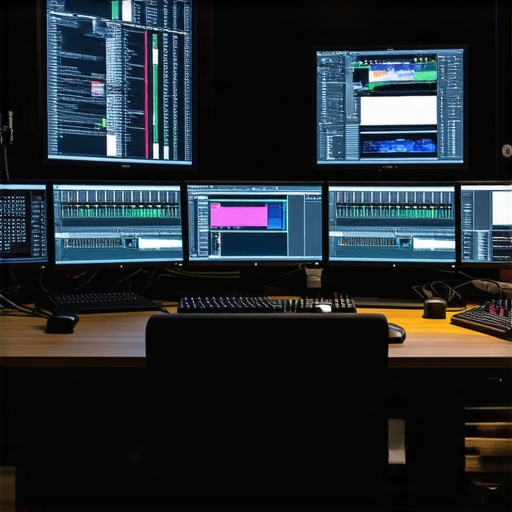
This article offers a comprehensive overview of the critical components needed to build or upgrade a high-performance 4K video editing setup. I’ve personally found that balancing a powerful GPU with ample CPU resources and fast storage makes a significant difference in workflow fluidity, especially when working on HDR projects. The emphasis on future-proofing with modular hardware is particularly relevant, as technology continues to evolve rapidly. One challenge I encountered was optimizing thermal management during extended editing sessions, which impacted system stability. Investing in good cooling solutions, like liquid cooling, really helped maintain peak performance without thermal throttling. It also made me think about how emerging AI-driven hardware can further streamline tasks like color grading and noise reduction, reducing my post-production times considerably. Do others here integrate AI hardware acceleration into their workflows regularly? I’d love to hear different approaches or setups that have worked well for professionals balancing high-resolution workflows with efficient processing.
This post hits all the key points I’ve experienced firsthand during my own high-resolution editing projects. Balancing a powerful GPU like the RTX 4090 with ample CPU power and fast NVMe storage truly transforms the workflow, especially when handling intensive color grading and HDR. I also found that investing in a good cooling system, particularly liquid cooling, is essential for maintaining stability during long editing sessions. The mention of future-proofing through modular upgrades resonates with me because technology evolves so fast; it’s wise to plan for compatibility and flexibility. Regarding AI hardware acceleration, I’ve started exploring GPU features like NVIDIA’s Tensor Cores for automatic noise reduction and scene analysis, which significantly cuts down my post-production time. Has anyone experimented with dedicated AI inference accelerators or other AI hardware beyond GPUs? I’d love to hear how different setups have improved efficiency in real-world workflows. Also, what’s everyone’s take on balancing hardware upgrades with evolving software requirements? Finding that sweet spot is quite challenging but rewarding when achieved.
This article really highlights the importance of a balanced hardware setup for 4K video editing, especially in color grading workflows. I’ve recently upgraded my workstation to include the NVIDIA RTX 4090 and some high-speed NVMe SSDs, and the difference in handling big 4K files is night and day. The combination of powerful GPU and fast storage has helped me reduce rendering times significantly. However, I still find that managing thermals is a tricky part—extended sessions can lead to thermal throttling if cooling isn’t optimal. Investing in quality cooling systems like liquid cooling has made a big difference in maintaining stability. Also, I’m curious about others’ experiences with integrating AI hardware acceleration, such as NVIDIA’s Tensor Cores, into their workflows. Have you seen measurable productivity gains with AI tools? I’d love to hear how different setups are improving efficiency, particularly in tasks like noise reduction and scene analysis. How do you find balancing high-end hardware upgrades with software compatibility issues? Looking forward to hearing everyone’s thoughts on future-proofing these workstations.