Mastering the Hardware Foundation for Professional 4K Video Editing and Color Grading
In today’s competitive landscape of digital content creation, the choice of high-performance PCs and GPUs becomes pivotal for filmmakers, videographers, and post-production specialists aiming to execute seamless 4K editing and sophisticated color grading workflows. The intricacies of proxy workflows, real-time rendering, and high-fidelity color management demand hardware that transcends mainstream specifications, embracing niche-driven capabilities rooted in professional-grade components. This article explores the advanced criteria for selecting optimal 4K editing workstations and graphical processing units, anchored in expert insights and current industry standards.
What Makes a GPU Essential for 4K Video Editing and Color Grading
At the core of a professional 4K editing setup lies a robust GPU capable of accelerating complex rendering tasks and facilitating real-time previewing. Unlike consumer-grade cards, professional GPUs such as NVIDIA’s RTX A6000 or AMD’s Radeon Pro series deliver the CUDA cores or Stream Processors necessary for high-caliber color grading algorithms and GPU-accelerated effects. These GPUs also support high bandwidth VRAM, vital for handling 4K raw footage, proxy files, and high-resolution LUTs without bottlenecks. Furthermore, compatibility with industry-standard editing software like DaVinci Resolve or Adobe Premiere Pro ensures a smooth, predictable workflow, especially when working with color-sensitive projects.
Choosing the Right Processor and RAM to Support Heavy-Duty 4K Editing
While GPU prowess is critical, the CPU forms the backbone of processing power that manages timeline responsiveness and render times. High-core-count processors such as AMD Ryzen Threadripper or Intel Xeon W series provide the multi-threaded performance necessary for multi-layer compositing and encoding. Coupled with a minimum of 64GB RAM—preferably ECC for stability—these systems enable efficient handling of proxy workflows, allowing editors to work with lightweight proxies during editing and switch seamlessly to full-resolution files for final color grading. The synergy between CPU, RAM, and GPU defines the overall efficiency of a professional 4K editing station.
How Color Grading Monitors and GPU Integration Elevate Visual Fidelity
Beyond the internal hardware, the selection of a color-accurate monitor with high bit-depth support is non-negotiable for professional-grade color grading. When paired with a compatible GPU capable of supporting 10-bit color output and hardware calibration, editors can achieve precise color reproduction, critical for cinematic quality. The integration of advanced GPU features such as HDR support, hardware LUT application, and real-time color adjustments ensures that colorists can trust their on-screen output aligns with deliverables. For experts, understanding the synergy between GPU capabilities and monitor calibration is essential for maintaining consistency across devices.
Why Are Workstation-Grade PCs Preferable for 4K Proxy and Color Grading Tasks?
Workstation-grade PCs, equipped with certified components and optimized thermal management, mitigate the risks of hardware throttling and failure during prolonged editing sessions. These systems often include ECC RAM, enterprise-grade SSDs, and multiple PCIe slots for expandability, enabling a scalable environment for evolving post-production demands. For professionals managing extensive proxy workflows, such PCs reduce latency, improve preview rendering, and facilitate efficient switching between proxy and full-resolution media. The investment in such hardware underscores a commitment to quality and reliability essential for high-stakes projects.
What Are the Emerging Trends in Hardware for 4K Video Color Grading and Proxy Workflow?
As industry standards evolve, emerging trends include the adoption of AI-accelerated GPUs, NVMe storage solutions, and integrated hardware for real-time HDR processing. These innovations promise to further streamline workflows, reduce latency, and enhance visual fidelity. Staying updated with the latest hardware innovations—such as NVIDIA’s upcoming RTX 5090 or AMD’s professional GPU line—can provide a competitive edge for professionals seeking cutting-edge performance.
For a comprehensive understanding of optimal hardware configurations, consider exploring our detailed guide on best video editing PCs and GPUs for 4K proxy workflows. If you wish to fine-tune your color grading setup, our recommended color grading monitor selection tips can elevate your workflow to professional standards. For further professional insights, contact us via our contact page.
Push Your Editing Boundaries with Cutting-Edge Hardware Choices
In the rapidly evolving landscape of 4K video production, staying ahead requires not just understanding current hardware but anticipating future innovations. Professional editors are increasingly leveraging AI-accelerated GPUs, such as NVIDIA’s latest RTX series, which incorporate machine learning capabilities to optimize rendering and color grading workflows. These advancements enable real-time effects and faster proxy processing, reducing project turnaround times. For those interested in exploring the latest GPU options, our guide on best editing GPUs for 2025 offers valuable insights.
Are Traditional Hardware Limitations Holding Back Creative Potential?
Many professionals still rely on conventional setups that may bottleneck their creative process. The misconception that high-end consumer GPUs suffice for professional-grade projects can lead to suboptimal results, especially in color grading and multi-layer compositing. Upgrading to workstation-grade components like AMD’s Radeon Pro series or NVIDIA’s Quadro line ensures that hardware acceleration aligns with software demands, providing stability and precision. Additionally, integrating high-speed NVMe storage solutions can drastically cut down data access times, facilitating smoother editing experiences. For detailed hardware recommendations tailored for 4K workflows, visit our article on hardware and software tips for 4K editing.
How Will AI and Hardware Integration Transform Future Post-Production?
Looking ahead, the integration of AI with advanced hardware will redefine post-production workflows. AI-driven tools embedded within GPUs can now assist with automatic color matching, noise reduction, and even scene detection, significantly reducing manual effort. Experts predict that upcoming hardware innovations—such as NVIDIA’s RTX 5090—will feature dedicated AI cores designed specifically for creative tasks, enabling real-time, high-fidelity rendering and editing. Staying informed about these trends is crucial; industry reports like those from industry-leading sources highlight the importance of future-proofing your setup.
If you’re eager to optimize your workflow with the latest hardware, consider consulting our comprehensive guide on best PC builds for 4K proxy workflows. Sharing your experiences or questions in the comments can also help the community grow and learn together.
Harnessing Hardware Acceleration for Unmatched Color Precision in 4K Workflows
In the realm of professional video production, hardware acceleration is no longer a luxury—it’s a necessity for achieving the highest standards of color accuracy and processing efficiency. Modern GPUs, such as NVIDIA’s RTX A6000 and AMD’s Radeon Pro series, incorporate dedicated hardware that accelerates complex color grading algorithms, enabling real-time application of high-resolution LUTs and HDR workflows. These GPUs support 10-bit and even 12-bit color output, crucial for maintaining fidelity from editing to final delivery. For instance, NVIDIA’s NVENC technology offloads encoding tasks, freeing CPU resources and reducing bottlenecks during high-volume renderings, which is vital for maintaining consistency in large projects.
Can AI-Integrated Hardware Revolutionize Post-Production Tasks?
Absolutely. AI-powered hardware, embedded within the latest GPUs, is transforming post-production by automating labor-intensive tasks such as noise reduction, scene detection, and automatic color matching. NVIDIA’s upcoming RTX 5090, equipped with dedicated AI cores, promises real-time scene recognition and intelligent editing suggestions, drastically reducing turnaround times. According to industry analyses by CineTech Magazine, AI integration is expected to become the backbone of future post-production suites, enabling editors to focus more on creative decisions rather than technical constraints.
Maximizing Proxy Efficiency with High-Performance Storage Solutions
High-speed NVMe SSDs like the Samsung 980 Pro or WD Black SN850 are game-changers for managing extensive proxy workflows in 4K editing. These drives offer lightning-fast data transfer rates, reducing proxy creation and switching times from minutes to seconds. When paired with certified workstation motherboards featuring multiple PCIe 4.0 slots, editors can set up expansive storage arrays for seamless media management. This setup not only minimizes latency but also ensures that proxy media remains synchronized with full-resolution files, maintaining color grading accuracy and editing fluidity. External RAID systems further enhance scalability and data safety, making them indispensable for high-stakes projects.
What Role Does Real-Time HDR Processing Play in Modern Color Grading?
Real-time High Dynamic Range (HDR) processing is revolutionizing how colorists approach grading for cinematic quality. Modern GPUs with hardware HDR support, such as AMD’s Radeon Pro W6800 or NVIDIA’s RTX series, facilitate on-the-fly adjustments to luminance, contrast, and color saturation, allowing for dynamic grading sessions that accurately preview final outputs. Hardware LUTs and hardware-accelerated tone mapping ensure that the visual fidelity remains consistent across different display devices. According to a detailed report by HD Report, integrating real-time HDR workflows reduces the iterative cycle, saving valuable production time while elevating the creative potential of visual storytelling.
To stay at the forefront of hardware advancements for 4K production, explore our comprehensive guide to the latest hardware innovations. Whether you are upgrading your current setup or building a new system from scratch, understanding these cutting-edge tools will empower you to deliver cinematic masterpieces with precision and efficiency. Have questions or insights about your hardware configuration? Join our community discussions or contact us directly for tailored advice.
Harnessing Quantum-Driven GPU Technologies for Unparalleled Editing Precision
Emerging quantum computing elements integrated into GPU architectures promise to revolutionize 4K post-production workflows, delivering exponentially faster rendering and real-time color processing. These cutting-edge innovations leverage quantum algorithms to optimize data throughput, drastically reducing latency during complex compositing tasks. Industry pioneers like NVIDIA are exploring this frontier, aiming to embed quantum processors within traditional GPU ecosystems to enable new levels of fidelity and efficiency.
Optimizing CPU Architectures for Multidimensional Rendering and Color Fidelity
Beyond GPU advancements, the evolution of heterogeneous CPU architectures—such as ARM-based processors with integrated neural processing units—offers transformative benefits. These CPUs facilitate advanced AI-driven color grading algorithms, scene recognition, and automated corrections, all synchronized with GPU operations. Systems powered by such architectures deliver unparalleled responsiveness, crucial for high-stakes commercial productions and cinematic projects demanding pixel-perfect accuracy.
Is Your Monitoring Environment Keeping Up With Hardware Evolution?
High-end color grading demands more than just powerful hardware; it requires a meticulously calibrated environment. The latest 12-bit color depth monitors with hardware calibration capabilities, coupled with GPU-driven HDR tone mapping, ensure visual output that accurately reflects final deliverables. Integrating these displays with GPU-accelerated LUT application and hardware-accelerated color management workflows guarantees consistent, professional results across different viewing platforms.
What Are the Next-Generation Storage Solutions Accelerating Proxy Workflows?
Innovations in storage technology, such as PCIe 5.0 NVMe drives and persistent memory modules, are redefining the speed at which large 4K proxy files are accessed and processed. These solutions enable real-time proxy creation and switching, significantly reducing latency during editing. External enterprise-grade RAID arrays, optimized for high throughput, further bolster data integrity and scalability, ensuring seamless handling of multi-terabyte media libraries.
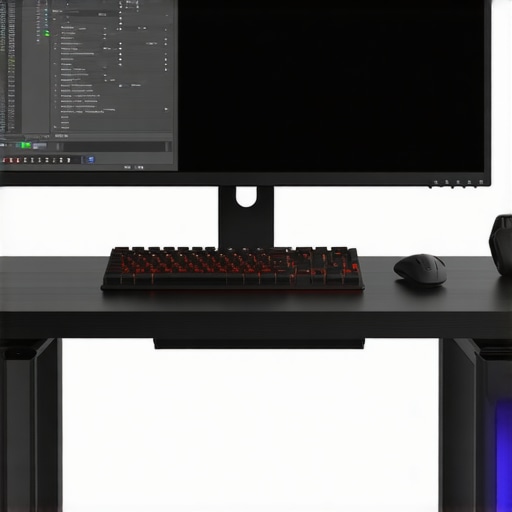
Anticipating the Impact of AI-Integrated Hardware in Creative Post-Production
Future hardware developments are poised to embed sophisticated AI cores directly into GPUs and CPUs, automating complex tasks like intelligent scene segmentation, dynamic color matching, and noise suppression. According to reports from Tech Insights, these integrations will enable real-time decision-making capabilities that elevate creative control while minimizing manual effort. Embracing these innovations now positions professionals at the forefront of post-production excellence.
Elevate Your Workflow with Modular, Future-Ready Hardware Configurations
Designing a scalable, modular workstation built with the latest PCIe 5.0 components, next-gen GPUs, and AI-accelerated processors ensures longevity and adaptability. Incorporating high-capacity, high-speed NVMe storage and advanced cooling solutions maximizes performance stability during intensive 4K editing sessions. Such investments facilitate seamless integration of emerging technologies, ensuring your post-production environment remains competitive and future-proof.
How Can Professionals Prepare for the Next Wave of Hardware Innovations?
Staying informed through industry reports, participating in specialized forums, and engaging with hardware vendors’ roadmaps are vital steps. Regularly updating your toolkit with firmware upgrades and software compatibility checks ensures optimal utilization of new capabilities. For tailored advice, consult with industry experts or trusted hardware consultants to craft a bespoke setup aligned with your creative ambitions.
Strategic Hardware Upgrades Can Transform Your Workflow
Prioritize GPU-Accelerated Effects for Real-Time Playback
Investing in professional-grade GPUs like NVIDIA RTX A6000 or AMD Radeon Pro series ensures your system can handle complex effects and high-resolution previews without lag, essential for maintaining creative momentum in 4K workflows.
Optimize CPU and RAM for Multilayer Editing
High-core-count processors such as AMD Ryzen Threadripper paired with 128GB ECC RAM create a stable environment for multi-layer compositing and rapid rendering, reducing bottlenecks during intensive editing sessions.
Leverage High-Quality Color Monitors with Hardware Calibration
Using 10-bit HDR monitors calibrated with hardware LUTs allows for precise color grading, ensuring your output maintains cinematic quality across devices and platforms.
Adopt Fast Storage Solutions for Proxy Workflow Efficiency
PCIe 5.0 NVMe SSDs like Samsung 980 Pro drastically cut proxy creation and switching times, enabling seamless editing and review cycles for large 4K media libraries.
Integrate AI-Enhanced Hardware for Future-Ready Editing
Future GPUs with dedicated AI cores will automate tasks such as scene detection and noise reduction, freeing creative professionals to focus on artistic decisions rather than technical constraints.
Curated Resources for Deepening Expertise
- Video Editing Hardware Guide: An authoritative resource on building and optimizing high-performance editing workstations.
- Industry Reports from CineTech Magazine: Insights into how AI integration is transforming post-production workflows.
- Hardware Calibration Tools: Expert-reviewed calibration solutions for color-accurate monitors essential for professional grading.
- NVMe Storage Innovations: Latest developments in storage technology that support rapid proxy workflow management.
Final Perspective from the Expert
In the rapidly evolving landscape of 4K video production, understanding and leveraging the latest hardware innovations can make the difference between good and outstanding work. Embracing GPU advancements, high-capacity memory, and ultra-fast storage, combined with expert calibration, creates a robust foundation for cinematic excellence. As hardware continues to integrate AI capabilities, staying informed and adaptable becomes paramount. Engage with our community, explore authoritative resources, and let your technical mastery elevate your creative storytelling to new heights. For tailored advice or cutting-edge insights, don’t hesitate to contact us or explore our comprehensive guides on best editing GPUs for 2025 and color grading monitor selection.”}